
You finish one round of antibiotics, feel normal for a few weeks, and then that familiar burn is back. If you’re past menopause and this keeps happening, you are not unlucky and you are not doing anything “wrong.”
Urinary tract infections become much more common after menopause, and about one in four women who get one will get another within six months. The good news: once you understand why it keeps happening, there are a handful of steps with real research behind them, and several of them don’t need a prescription.
Below we walk through the 7 most common reasons, the one fix most women never hear about, what cranberry and D-mannose can and can’t do, and the symptoms that mean you should call your doctor today instead of waiting.
- The big hidden cause: lower estrogen changes the bladder and vaginal lining, so the “good” bacteria that kept bad bacteria out start to disappear.
- Best-proven prevention: vaginal estrogen (prescription) cut repeat UTIs in clinical trials and is recommended by urology guidelines.
- Cranberry: a Cochrane review found it lowers the risk of repeat UTIs in women who get them often. It does not treat an active infection.
- D-mannose: promising, but the newest large trial did not show a clear benefit.
- Call a doctor today: fever, back or side pain, vomiting or blood in the urine.
Why UTIs keep coming back after menopause: the hidden chain
Here’s the mechanism most people never get explained. Before menopause, estrogen keeps the tissue around the urethra and vagina thick and moist. That tissue feeds Lactobacillus, friendly bacteria that make lactic acid and keep the area slightly acidic. Acidic tissue is a bad neighborhood for E. coli, the gut bacteria behind most UTIs.
When estrogen drops, the lining thins, the pH rises, the lactobacilli fade and E. coli has an easier time moving in and climbing up into the bladder. Doctors call this the genitourinary syndrome of menopause. So it isn’t that you “caught” something again; the defense line simply got weaker.
7 common reasons women over 50 get repeat UTIs
Lower estrogen
The single biggest driver, as explained above. Dryness, burning with sex or a feeling of irritation “down there” are clues that this is part of your picture.
Clue: dryness or irritation between infections too.
Not emptying the bladder all the way
A pelvic organ that has dropped a little (prolapse), weaker pelvic muscles or simply rushing can leave urine behind. Leftover urine is where bacteria multiply.
Drinking too little
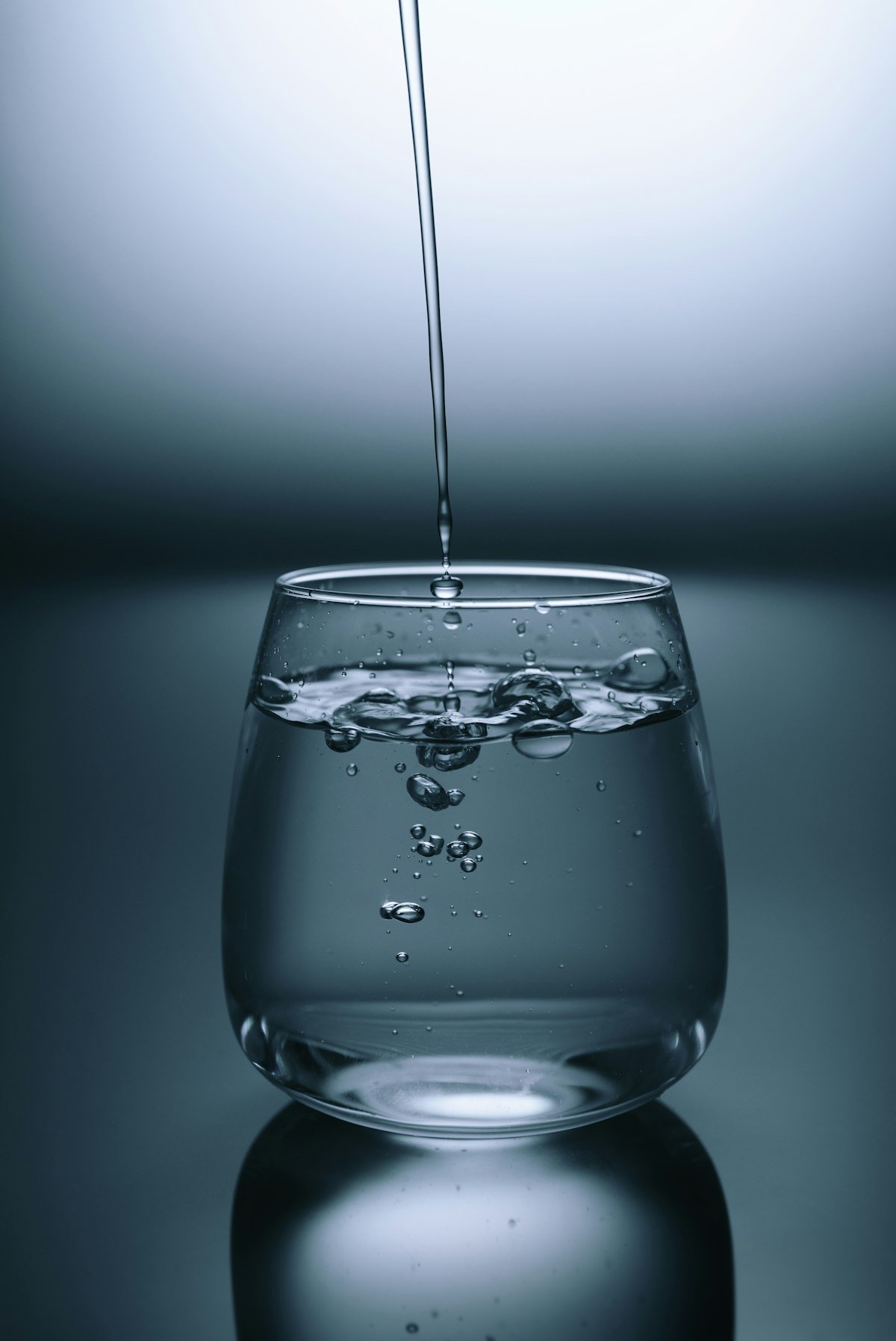
Less fluid means fewer trips to the bathroom and fewer chances to flush bacteria out. A trial in women with repeat UTIs found that adding about 1.5 liters of water a day nearly halved infections.
Bowel habits and constipation
Most UTI bacteria come from the gut. Constipation and wiping back to front both make it easier for them to reach the urethra.
Diabetes or high blood sugar
Sugar in the urine and weaker immune defenses both raise the risk. If your UTIs are new and frequent, ask about an A1C test.
Sex after a long break
Sex pushes bacteria toward the urethra, and thinner tissue makes this easier. Peeing soon afterward helps a little; treating the dryness helps more.
Incontinence pads worn too long
A damp pad against the skin is a warm, moist place for bacteria. Changing them often matters.
What actually helps prevent repeat UTIs
Vaginal estrogen Strong evidence
Low-dose estrogen cream, tablet or ring used inside the vagina rebuilds the lining and brings the lactobacilli back. The American Urological Association recommends it for postmenopausal women with recurrent UTIs. Very little gets into the bloodstream, but you need a prescription, so ask your doctor or gynecologist.
Drink more water Strong evidence
If you drink less than about 6 cups a day, adding 6 more cups (around 1.5 liters) was shown to cut repeat infections in a randomized trial.
Cranberry products Some evidence
A 2023 Cochrane review of 50 trials found cranberry juice, tablets or capsules lower the chance of repeat UTIs in women who get them often. The active compounds (PACs) seem to make it harder for E. coli to stick to the bladder wall. Sugary cranberry cocktail is not the same thing.
Probiotics with Lactobacillus Limited evidence
Some small trials with specific Lactobacillus strains look promising, but results are mixed. Reasonable to try, not something to rely on alone.
D-mannose Limited evidence
A natural sugar that may block bacteria from sticking. Early studies were encouraging, but a large UK trial in 2024 found no clear difference versus placebo.
Simple habits Limited evidence
Pee when you feel the urge, pee after sex, wipe front to back, treat constipation and change pads often. Small, but they stack.
- a fever, chills or shaking
- pain in your back or side, under the ribs
- nausea or vomiting
- blood in your urine, or symptoms that don’t improve after 2 days of antibiotics
- confusion or sudden weakness (in older adults this can be the only sign of a UTI)
What about bladder support supplements?
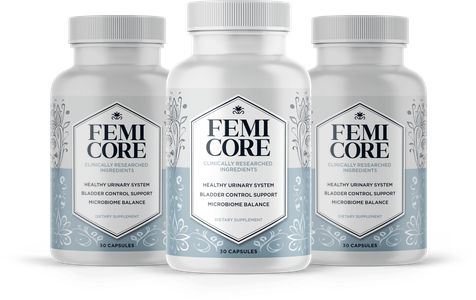
Most “urinary support” formulas combine cranberry with other herbs such as uva ursi (bearberry), berberine and probiotics. Cranberry has the best evidence of the group. Uva ursi is an old herbal remedy for the bladder, but it is meant for short-term use only and isn’t recommended if you have kidney problems or are on many medicines. Berberine can lower blood sugar, which matters if you take diabetes pills.
If you want to compare one of these formulas against the evidence above, we read the full label for you:
Waking up at night to go is a different problem with different causes. We cover it here: waking up to pee at night: 7 common causes.
 $49–$79 per bottle · 60 days money-back guaranteeRead our honest FemiCore review →Independent review · We may earn a commission at no extra cost to you
Questions readers ask
Why do I get UTIs so often after menopause?
Lower estrogen thins the tissue around the urethra and vagina and lets protective lactobacilli fade, so gut bacteria like E. coli reach the bladder more easily. Not emptying fully, low fluids, constipation and diabetes add to it.
Can vaginal estrogen really stop UTIs?
In clinical trials it lowered repeat UTIs in postmenopausal women, and the American Urological Association recommends it. It needs a prescription, and your doctor will check if it is right for you.
Does cranberry juice work for UTIs?
Cranberry may lower the chance of repeat UTIs in women who get them often, according to a Cochrane review. It does not cure an infection that has already started, and sweetened cranberry cocktail adds a lot of sugar.
Is D-mannose worth trying?
It is generally safe, but the largest recent trial did not show a clear benefit over placebo. If you try it, don’t use it instead of seeing a doctor for an active infection.
What is the fastest way to get rid of a UTI?
A confirmed bladder infection needs antibiotics from a clinician. Drinking water helps you feel better, but home remedies alone can let the infection reach the kidneys.
Can a UTI cause confusion in older adults?
Yes. In older adults a UTI sometimes shows up as sudden confusion or weakness with few bladder symptoms. That needs prompt medical care.
- American Urological Association: Recurrent UTI guideline
- Cochrane (2023): Cranberries for preventing urinary tract infections
- JAMA Internal Medicine (2018): Increased water intake and recurrent cystitis
- NIDDK (NIH): Bladder infection in adults
- JAMA Internal Medicine (2024): D-mannose for prevention of recurrent UTI
This article is general information, not medical advice. Some links lead to our independent reviews, which contain affiliate links; we may earn a commission at no extra cost to you. Talk to your doctor before starting any new supplement.