
It starts small: a weaker stream, waiting a few seconds before anything happens, getting up twice a night. By the time most men search for “natural remedies,” it has been bugging them for a year.
An enlarged prostate, called benign prostatic hyperplasia or BPH, is not cancer and does not turn into cancer. It is extremely common: about half of men in their 50s and up to 90% of men over 80 have some enlargement. Because it is so common, it is also one of the most heavily marketed areas for supplements.
So let’s be honest about what the research says, including one result that surprises most men, and walk through the habits and options that do make a difference.
- BPH is not cancer, but the same symptoms can come from other problems, so get checked once.
- Saw palmetto: a 2023 Cochrane review of 27 trials found little or no benefit over placebo.
- Beta-sitosterol and pygeum: older reviews showed modest symptom relief; the evidence is weaker than for medicines.
- Free habits that help: less fluid in the evening, less caffeine and alcohol, double voiding and bladder training.
- Medicines work: alpha-blockers and other options help most men, so ask if symptoms bother you.
Why the prostate grows, and why it affects your stream
The prostate wraps around the urethra, the tube urine flows through, like a donut around a straw. With age, hormone changes (especially a testosterone by-product called DHT) make the inner part of the prostate slowly grow. As the donut gets thicker, it squeezes the straw. That gives you a weak stream, dribbling and the feeling you never quite emptied.
The bladder has to push harder to get urine past the squeeze, and over time its wall gets thicker and twitchier. That’s why many men also feel a sudden need to go and wake up at night. Size alone doesn’t tell the story: some men with a big prostate have few symptoms, and some with a small one have a lot.
Common BPH symptoms
- weak or slow stream, or a stream that stops and starts
- trouble getting started
- dribbling at the end
- feeling the bladder isn’t empty
- peeing often, including 2 or more times a night
- sudden strong urges
- blood in your urine
- pain or burning when you pee, or a fever
- you suddenly can’t pee at all (this is an emergency)
- pain in your lower back, hips or pelvis that doesn’t go away
- symptoms that came on quickly rather than over years
Habits that help, starting tonight
Stop fluids 2 hours before bed Some evidence
You still need water, so drink it earlier in the day. This one change often cuts a night-time trip.
Go easy on caffeine and alcohol Some evidence
Both irritate the bladder and make you produce more urine, especially later in the day.
Double voiding Some evidence
After you pee, wait 20 to 30 seconds, relax and try again. It helps empty the bladder more completely.
Bladder training Some evidence
Slowly stretch the time between bathroom trips by 10 to 15 minutes. Over weeks the bladder becomes less twitchy.
Check your medicines Some evidence
Some cold pills (decongestants and antihistamines) and water pills make symptoms worse. Ask your pharmacist.
Stay active and watch your waist Limited evidence
Being overweight and inactive is linked to worse urinary symptoms. Walking helps your heart and blood sugar too.

Natural remedies, ranked honestly
| Ingredient | What studies show | Our take |
|---|---|---|
| Saw palmetto | Cochrane 2023 (27 trials, 4,656 men): little or no improvement vs placebo | Safe for most, but don’t expect much |
| Beta-sitosterol | Older Cochrane review: better symptom scores and flow vs placebo; short, small trials | Best of the herbs, still modest |
| Pygeum | Older review: modest symptom relief; trials were small and short | Possible mild help |
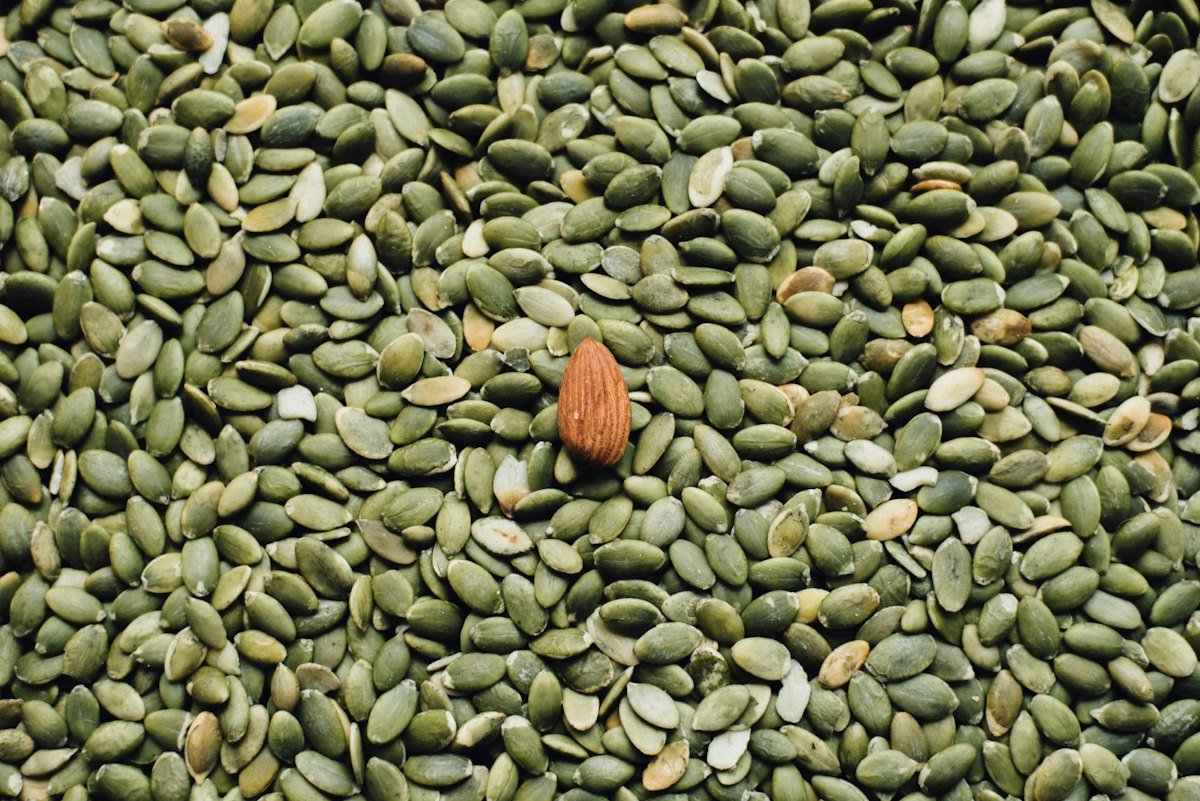
| Pumpkin seed extract | A few trials show small symptom improvement | Possible mild help |
| Stinging nettle root | Mixed results, mostly in combinations | Unclear |
| Lycopene, zinc | Little direct evidence for symptoms | Not a priority |
The surprise for most men is saw palmetto. It is the best-selling prostate herb in the US, yet the most recent and largest review found it does not meaningfully improve symptoms, even at double or triple doses. Harvard urologists sum it up as unlikely to hurt, unlikely to help much. If a formula is built mostly on saw palmetto, set your expectations accordingly.
Medical options that work
Alpha-blockers (like tamsulosin) relax the muscle around the prostate and often improve the stream within days. 5-alpha-reductase inhibitors (like finasteride) slowly shrink the prostate over months. There are also small in-office procedures. If symptoms bother you, these are worth discussing, and a simple check-up also rules out other causes.
If you still want to try a prostate supplement
Choose one that shows the dose of each ingredient and leans on the ingredients with at least some data (beta-sitosterol, pygeum, pumpkin seed). Tell your doctor, because some prostate herbs can affect PSA results or interact with blood thinners. These are the formulas we’ve read in full:
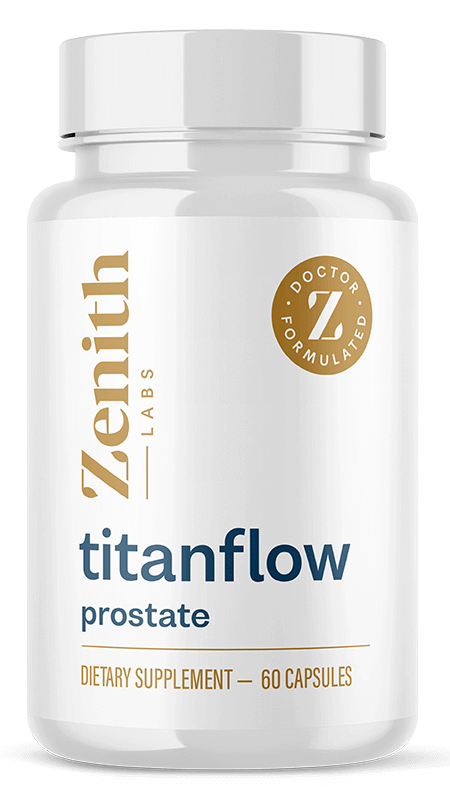 Doses shownTitanFlowPumpkin seed, pygeum and beta-sitosterol with every dose on the label.$39–$69 per bottle · 180 days guaranteeRead our TitanFlow review →
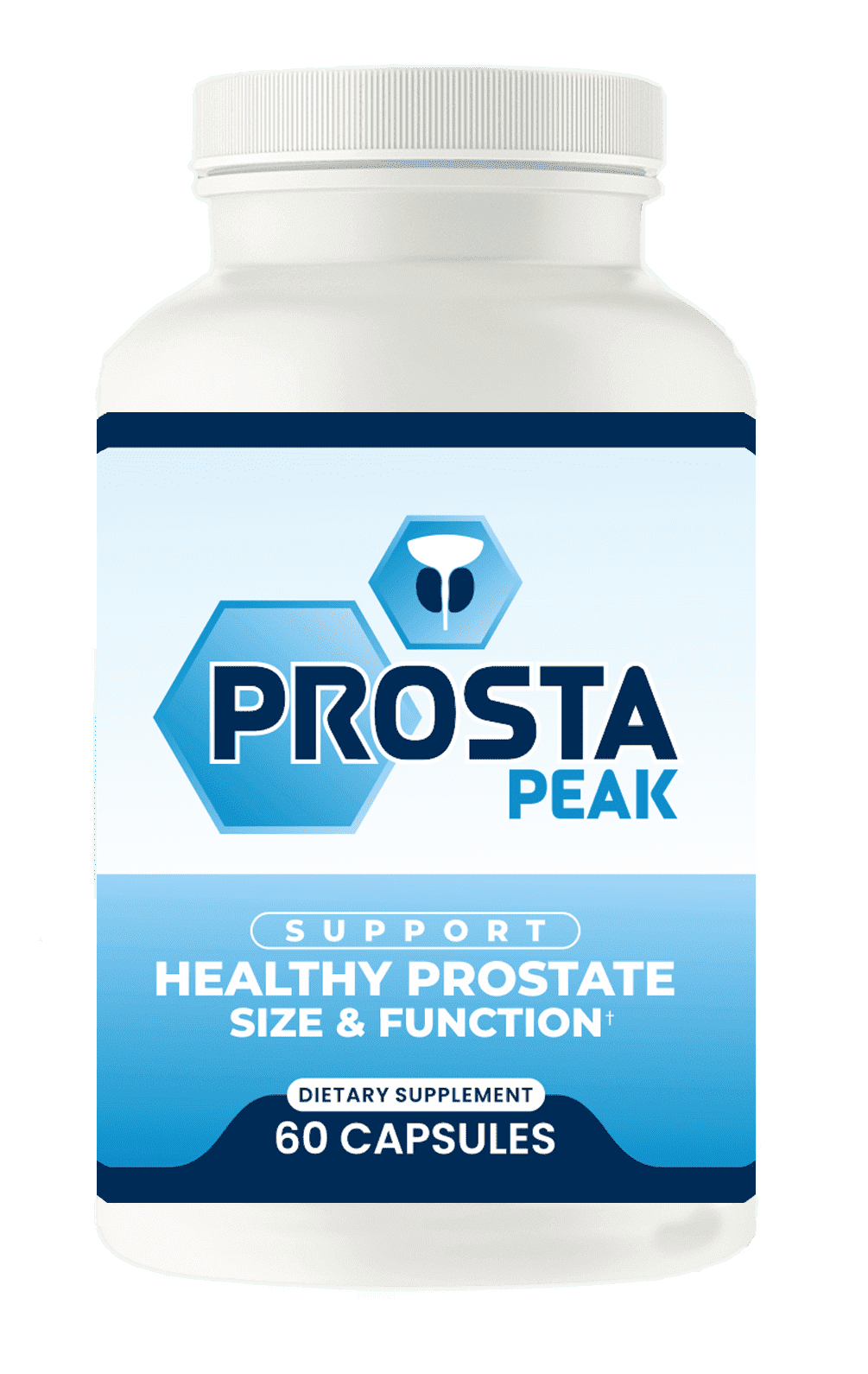 Prosta PeakSaw palmetto and pygeum capsule. What the label shows and what the research says.from $49 / bottle (6-pack) · 90 days guaranteeRead our Prosta Peak review →
 ProstaViveA powder with nettle root plus a long guarantee.from $39 / tub (6-pack) · 180 days guaranteeRead our ProstaVive review →
Up at night more than anything else? Read waking up to pee at night: 7 common causes.
$39–$69 per bottle · 180 days money-back guaranteeRead our honest TitanFlow review →Independent review · We may earn a commission at no extra cost to youQuestions readers ask
What is the best natural remedy for an enlarged prostate?
Among herbs, beta-sitosterol has the most supportive evidence, with pygeum and pumpkin seed showing modest effects. Habits such as cutting evening fluids, caffeine and alcohol, and double voiding also help.
Does saw palmetto shrink the prostate?
No. The 2023 Cochrane review found saw palmetto gave little or no improvement in symptoms versus placebo, and higher doses did not improve flow or prostate size.
Can an enlarged prostate go back to normal size naturally?
It does not usually shrink on its own. Finasteride-type medicines can shrink it slowly; most natural remedies aim only to ease symptoms.
What drinks make BPH worse?
Coffee, tea, energy drinks, soda and alcohol can irritate the bladder and increase urine, especially in the evening.
Is BPH a sign of prostate cancer?
No, BPH is not cancer and does not become cancer. But the symptoms can overlap, so a check-up is wise.
How many times a night is normal to pee after 60?
Once a night is common after 60. Two or more times regularly is worth discussing with a doctor.
This article is general information, not medical advice. Some links lead to our independent reviews, which contain affiliate links; we may earn a commission at no extra cost to you. Talk to your doctor before starting any new supplement.