
You sleep, you eat well, and still the energy runs out by mid-afternoon. Then you see an ad about “mitochondria” and “cellular energy.” What are they, and do they really change after 50?
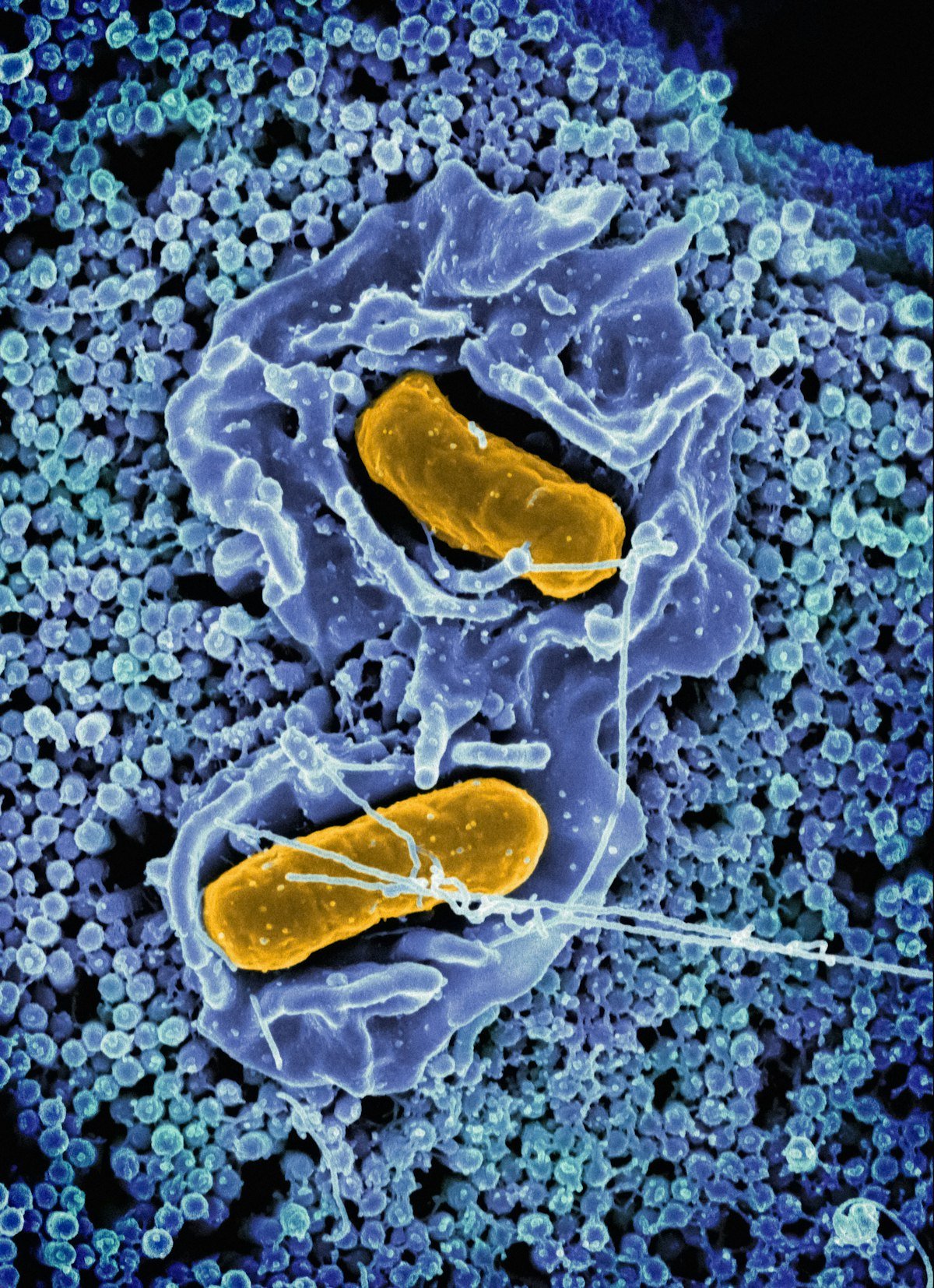
Mitochondria are tiny structures inside almost every cell. They turn the food you eat and the oxygen you breathe into ATP, the fuel your muscles, brain and heart run on. With age they tend to become fewer and less efficient, mostly because we move less. The best news in this field: exercise can rebuild them, even in your 70s. Here’s the simple version.
- What they are: mitochondria are your cells’ power plants. Muscles, heart and brain have the most.
- They change with age: fewer and less efficient mitochondria are part of why stamina drops after 50.
- Exercise is the strongest fix: in a Mayo Clinic study, interval training raised mitochondrial capacity by 69% in adults aged 65 to 80.
- Rule out the common causes of tiredness first: low iron, low B12, thyroid problems, poor sleep and some medicines.
- Supplements: CoQ10, PQQ and others have small or early research. They don’t replace exercise.
What mitochondria do: 5 simple facts
They make your fuel
Mitochondria use oxygen to burn sugar and fat and store the energy as ATP. Every heartbeat, step and thought uses it.
Busy tissues have the most
Heart muscle, leg muscles and the brain are packed with them. That’s why low energy often shows up as tired legs, a racing heart on stairs or brain fog.
They have their own DNA
Mitochondria carry a small set of their own genes, inherited from your mother. Damage to this DNA builds up slowly with age.
They make “exhaust”
Making energy creates free radicals. In small amounts these are signals; in large amounts they cause damage. Your body has its own clean-up systems.
They respond to demand
When you ask your muscles to work harder, your body builds more and better mitochondria. When you sit more, it keeps fewer.
Why energy drops after 50
Several things happen at once. Muscle mass shrinks, and with it the number of mitochondria. Those that remain work a little less efficiently and leak more free radicals. Clean-up of old, worn mitochondria slows. And most of us simply move less, which sends the body the signal that it needs fewer power plants.
| Cause of tiredness | What to check |
|---|---|
| Low iron or anemia | Blood count and ferritin |
| Low vitamin B12 | B12 level, especially if you take metformin or acid blockers |
| Thyroid | TSH blood test |
| Blood sugar problems | A1c |
| Poor sleep or sleep apnea | Snoring, gasping, morning headaches |
| Medicines | Ask your pharmacist about tiredness as a side effect |
| Low mood | Talk to your doctor |
Our guides on low B12 after 50 and brain fog after 50 cover some of these in detail.
- tiredness is new, severe or lasts more than a few weeks
- you also have shortness of breath, chest pain, unplanned weight loss or fever
- you feel sleepy while driving
7 ways to support your mitochondria after 50
Try intervals
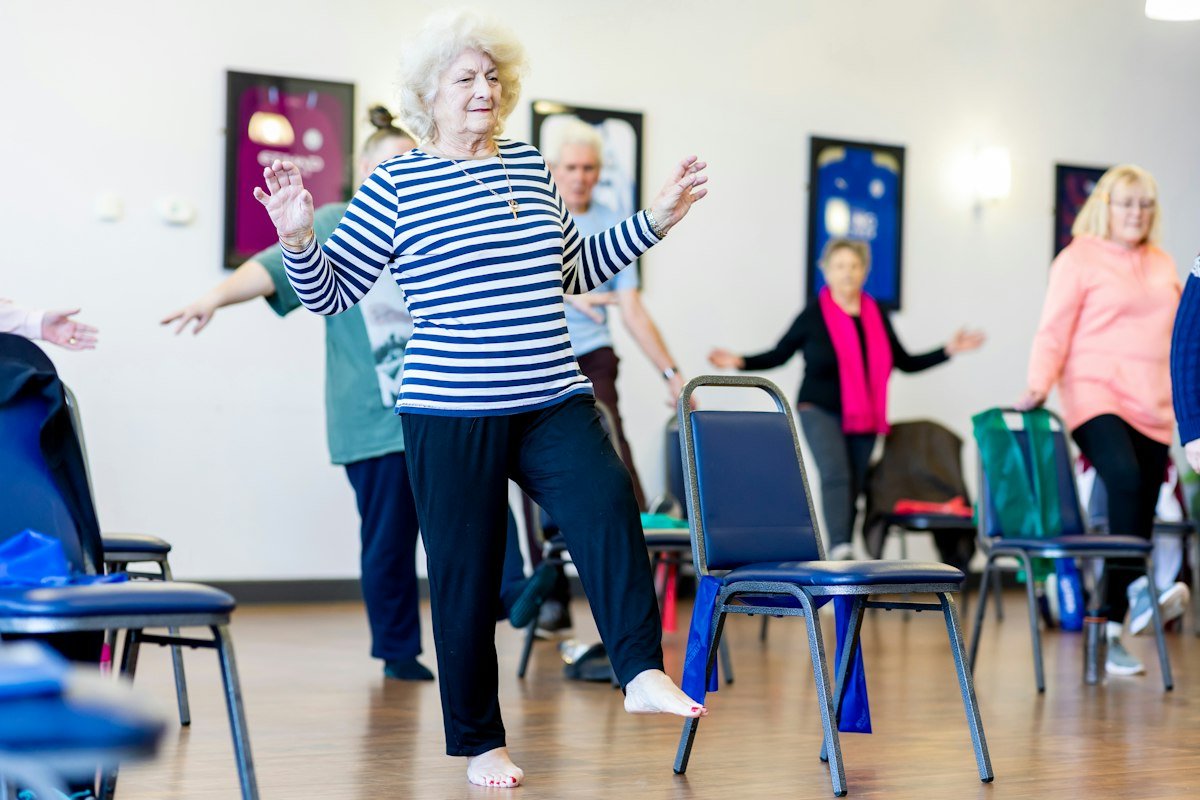
In a 12-week Mayo Clinic study, adults aged 65 to 80 who did interval cycling (short hard bursts with rest in between) raised their mitochondrial capacity by 69%. A simple version: walk briskly for 1 minute, easy for 2, and repeat 5 times. Check with your doctor first if you have heart problems.
Add strength training
Lifting builds muscle, and more muscle means more room for mitochondria. The same researchers suggested combining intervals with a couple of strength days a week.
Move a little all day
Getting up every 30 to 60 minutes, taking stairs and walking after meals keep muscles asking for energy.
Protect your sleep
Deep sleep is when the body repairs cells. Seven to eight hours and a regular schedule help more than any energy drink.
Eat enough protein and colorful plants
Protein keeps muscle; fruits, vegetables, beans and nuts bring the vitamins and minerals your cells use to make energy, including B vitamins, iron and magnesium.
Don’t overeat late at night
Big late meals and constant snacking keep blood sugar high and make sleep worse. Leave 2 to 3 hours between dinner and bed.
Limit alcohol and don’t smoke
Both damage mitochondria and cut sleep quality.
| Option | What the research shows |
|---|---|
| Interval training | Strong: big rise in mitochondrial capacity in older adults |
| Strength training | Good: more muscle, better blood sugar |
| CoQ10 | Mixed: may help some people on statins or with heart failure |
| PQQ, D-ribose, NAD boosters | Early: small or short studies |
What about mitochondria supplements?

“Cellular energy” formulas often combine CoQ10, PQQ, alpha-lipoic acid, acetyl-L-carnitine, D-ribose, resveratrol and niacin forms. Your body makes CoQ10, and levels fall with age and with statin medicines. Studies on CoQ10 for tiredness are mixed, and most other ingredients have early research. They are not a replacement for exercise or for finding a medical cause of fatigue.
The options our readers ask about most:
If you take blood thinners such as warfarin, blood pressure medicine or diabetes medicine, ask your doctor before trying CoQ10 or other energy supplements: some can change how these medicines work.
Questions readers ask
What are mitochondria in simple terms?
Mitochondria are tiny power plants inside your cells. They use oxygen to turn food into ATP, the energy your muscles, heart and brain run on.
Do mitochondria decline with age?
Yes. With age most people have fewer mitochondria and they work less efficiently, partly because muscle shrinks and activity drops. Exercise can reverse much of this.
What is the best exercise for mitochondria?
Interval training showed the biggest effect in a Mayo Clinic study, raising mitochondrial capacity by 69% in adults aged 65 to 80 after 12 weeks. Combining intervals with strength training is a good plan for most people over 50.
Does CoQ10 give you more energy?
Studies are mixed. CoQ10 levels fall with age and with statin medicines, and some people report less tiredness, but CoQ10 is not a proven energy booster. Ask your doctor first if you take a blood thinner.
Why am I so tired after 50 even when I sleep?
Common causes include low iron, low vitamin B12, thyroid problems, blood sugar issues, sleep apnea, medicines and low mood. Ask your doctor about simple blood tests before trying supplements.
Do mitochondria supplements work?
Ingredients like CoQ10, PQQ, D-ribose and NAD boosters have small or early studies. None has been shown to work as well as regular exercise for mitochondrial health.
- Robinson MM, et al. Enhanced protein translation underlies improved metabolic and physical adaptations to different exercise training modes in young and old humans. Cell Metab. 2017
- NCCIH (NIH): Coenzyme Q10
- National Institute on Aging: Exercise and physical activity
- Physical Activity Guidelines for Americans
This article is general information, not medical advice. Some links lead to our independent reviews, which contain affiliate links; we may earn a commission at no extra cost to you. Talk to your doctor before starting any new supplement.