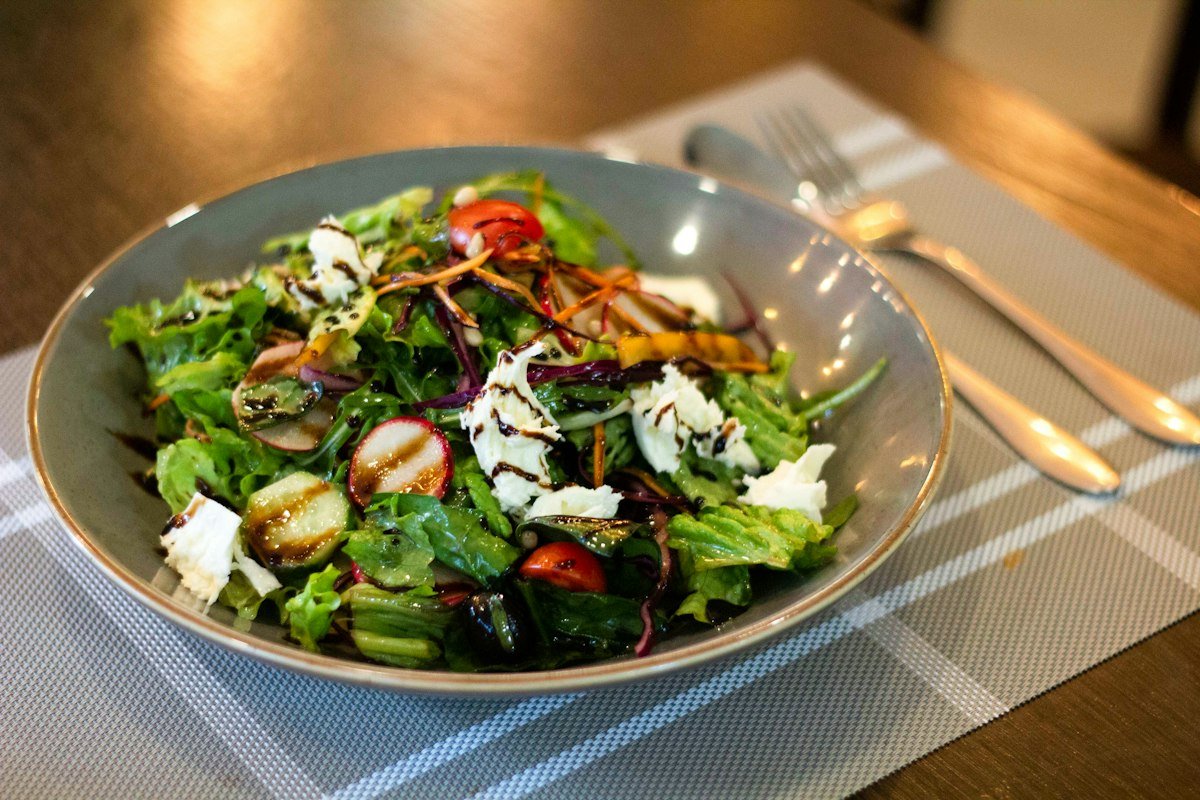
Nobody feels their liver. That’s the problem. It quietly handles fats, sugar, alcohol and medicines all day, and when fat starts building up inside it, there are usually no symptoms at all.
Fatty liver (now often called MASLD) is one of the most common liver problems in adults, especially with extra weight around the waist, prediabetes or diabetes. The good news: the liver responds well to simple daily habits. Here are the nine that matter most, and the “detox” ideas you can skip.
- Fatty liver is common and usually silent. A blood test or scan is often how it’s found.
- Losing 3% to 5% of your weight can reduce liver fat; 7% to 10% may reduce inflammation, per NIH.
- Activity helps even without weight loss.
- Go slowly: rapid weight loss can make liver disease worse.
- Be careful with herbal supplements: some can damage the liver. Ask your doctor first.
9 daily habits that help your liver
Lose weight gradually, if you need to Strong evidence
NIH says losing at least 3% to 5% of body weight can reduce liver fat, and up to 7% to 10% may reduce inflammation and scarring. For a 200-pound person, 3% to 5% is 6 to 10 pounds.
Move most days Strong evidence
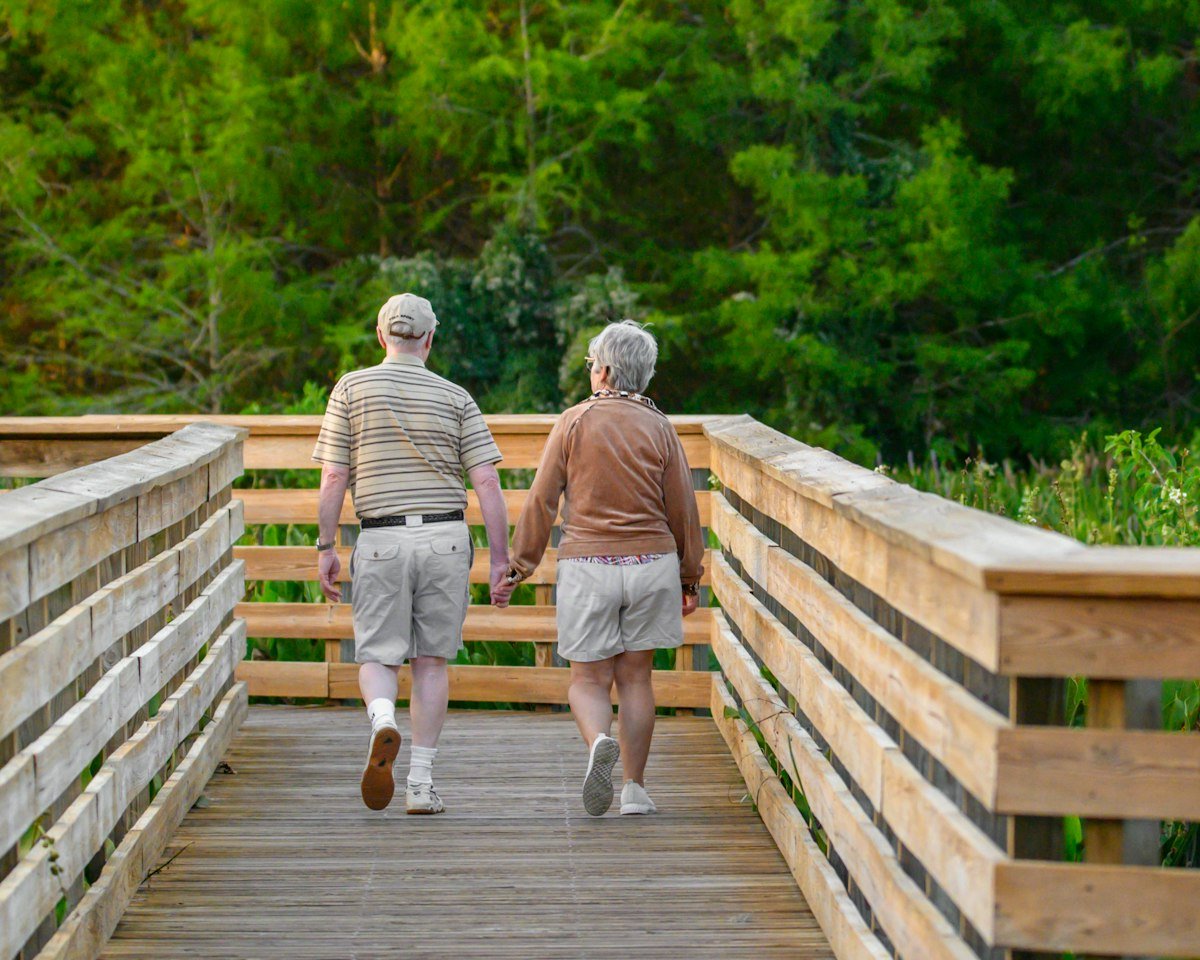
Physical activity improves fatty liver, even when the scale doesn’t move. Walking counts.
Cut back on alcohol Strong evidence
Alcohol is processed by the liver. If you already have fatty liver, ask your doctor whether you should stop completely.
Watch sugary drinks Strong evidence
Soda, sweet tea and juice are an easy source of the sugar (fructose) the liver turns into fat.
Build meals around plants, fiber and lean protein Some evidence
A Mediterranean-style pattern (vegetables, beans, whole grains, olive oil, fish) is the eating style most often studied for fatty liver.
Enjoy your coffee Some evidence
Plain coffee is linked to a lower risk of liver disease in many studies. Skip the sugar and cream. See morning coffee and metabolism.
Keep blood sugar in range Strong evidence
Diabetes and fatty liver feed each other. See blood sugar spikes after meals.
Follow the label on pain relievers Strong evidence
Too much acetaminophen (Tylenol) can harm the liver, especially with alcohol. Check cold and flu medicines, which often contain it too.
Ask about vaccines Some evidence
Hepatitis A and B vaccines protect the liver. Ask your doctor whether you need them.
The tests to ask for
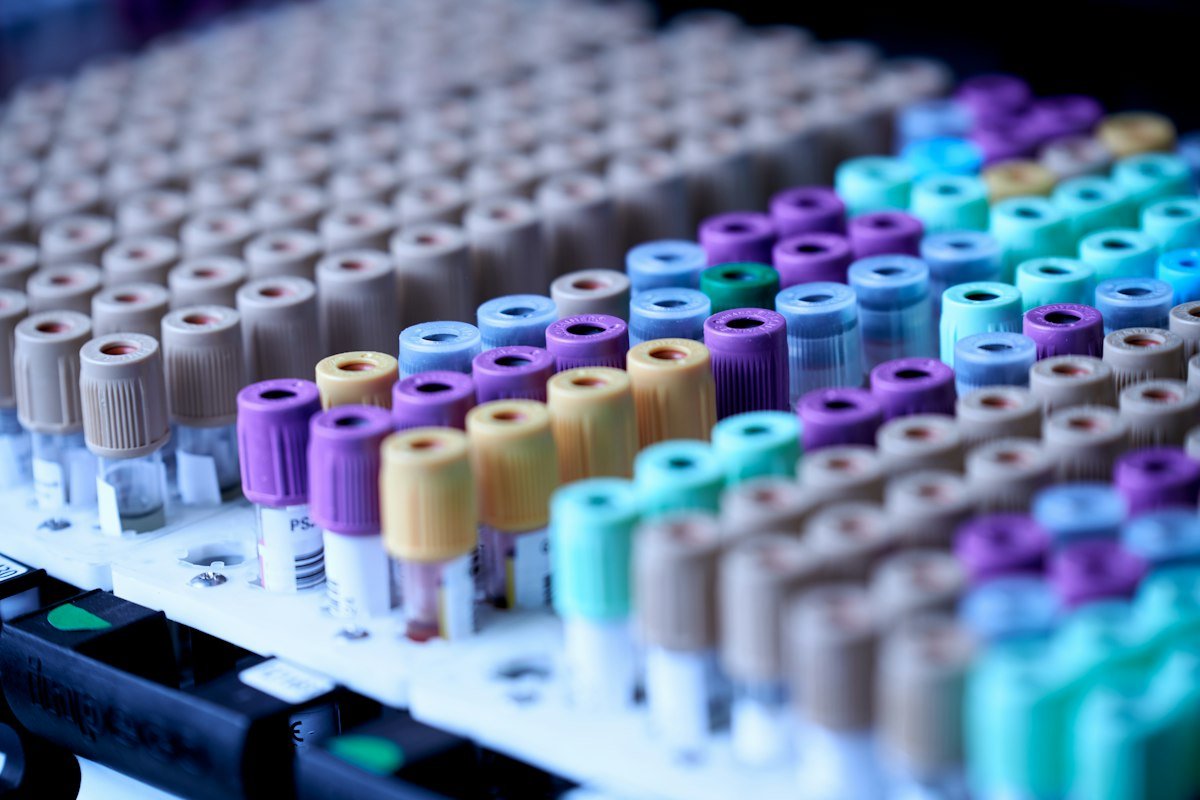
Fatty liver is often found by accident, on a routine blood test or an ultrasound. If you have extra weight around the waist, prediabetes, diabetes, high blood pressure or high triglycerides, ask your doctor about checking your liver.
| Test | What it shows |
|---|---|
| Liver enzymes (ALT, AST) | Signs of liver irritation; can be normal even with fatty liver |
| A1C and lipid panel | Blood sugar and fats that go with fatty liver |
| Ultrasound | Fat in the liver |
| FIB-4 score or elastography | Whether there is scarring (fibrosis) |
- yellow skin or eyes
- swelling of the belly or legs
- dark urine or pale stools
- easy bruising, or confusion
What to skip: “detoxes” and risky supplements
NIH advises talking with your doctor before taking dietary supplements, because some herbal remedies can damage the liver. Green tea extract, in particular, has been linked to rare cases of liver injury, and it appears in many weight-loss and “liver” formulas. Juice cleanses and detox kits have no proven benefit for the liver.
What about liver supplements?
The ingredient with the most research is milk thistle (silymarin), with mixed results. Some formulas add berberine, which can help blood sugar but interacts with medicines, and green tea extract (see the caution above). No supplement is approved to treat fatty liver, and none replaces weight loss and movement.
These are the two our readers ask about most. Both list ingredients but not doses:
If you have liver disease, take medicines for diabetes, blood pressure or cholesterol, or drink alcohol regularly, talk to your doctor before trying any liver supplement.
Questions readers ask
What are the first signs of a fatty liver?
Usually there are none. Fatty liver is often found on a routine blood test or ultrasound. Some people feel tired or have mild discomfort in the upper right belly.
Can fatty liver be reversed?
Often, yes. NIH says losing 3% to 5% of body weight can reduce liver fat, and 7% to 10% may reduce inflammation and scarring. Physical activity helps even without weight loss.
Is coffee good for the liver?
Plain coffee is linked to a lower risk of liver disease in many studies. Keep sugar and cream low.
Do liver detox supplements work?
There’s no good evidence that detox products clean the liver. Some herbal supplements, including green tea extract, can harm the liver. Ask your doctor first.
How fast should I lose weight for fatty liver?
Gradually. NIH warns that rapid weight loss and malnutrition can make liver disease worse.
What drinks are bad for the liver?
Alcohol and sugary drinks such as soda, sweet tea and juice. Water, plain coffee and unsweetened tea are better choices.
This article is general information, not medical advice. Some links lead to our independent reviews, which contain affiliate links; we may earn a commission at no extra cost to you. Talk to your doctor before starting any new supplement.