
“Nitric oxide” is on every supplement label these days, from circulation powders to energy drinks. But you can make more of it with something much simpler and cheaper: what’s on your plate.
Nitric oxide is a small molecule your blood vessels use to relax and widen. As we age, we tend to make less of it. Certain foods, especially beets and leafy greens, are rich in natural nitrates, which the body turns into nitric oxide. Here’s what the research shows, the ten best foods, and a few things that quietly cancel the benefit.
- Nitrate-rich foods (leafy greens, beets) give the body raw material for nitric oxide.
- The effect is real but modest: research reviews found beet juice lowered systolic blood pressure by about 3 to 5 points on average.
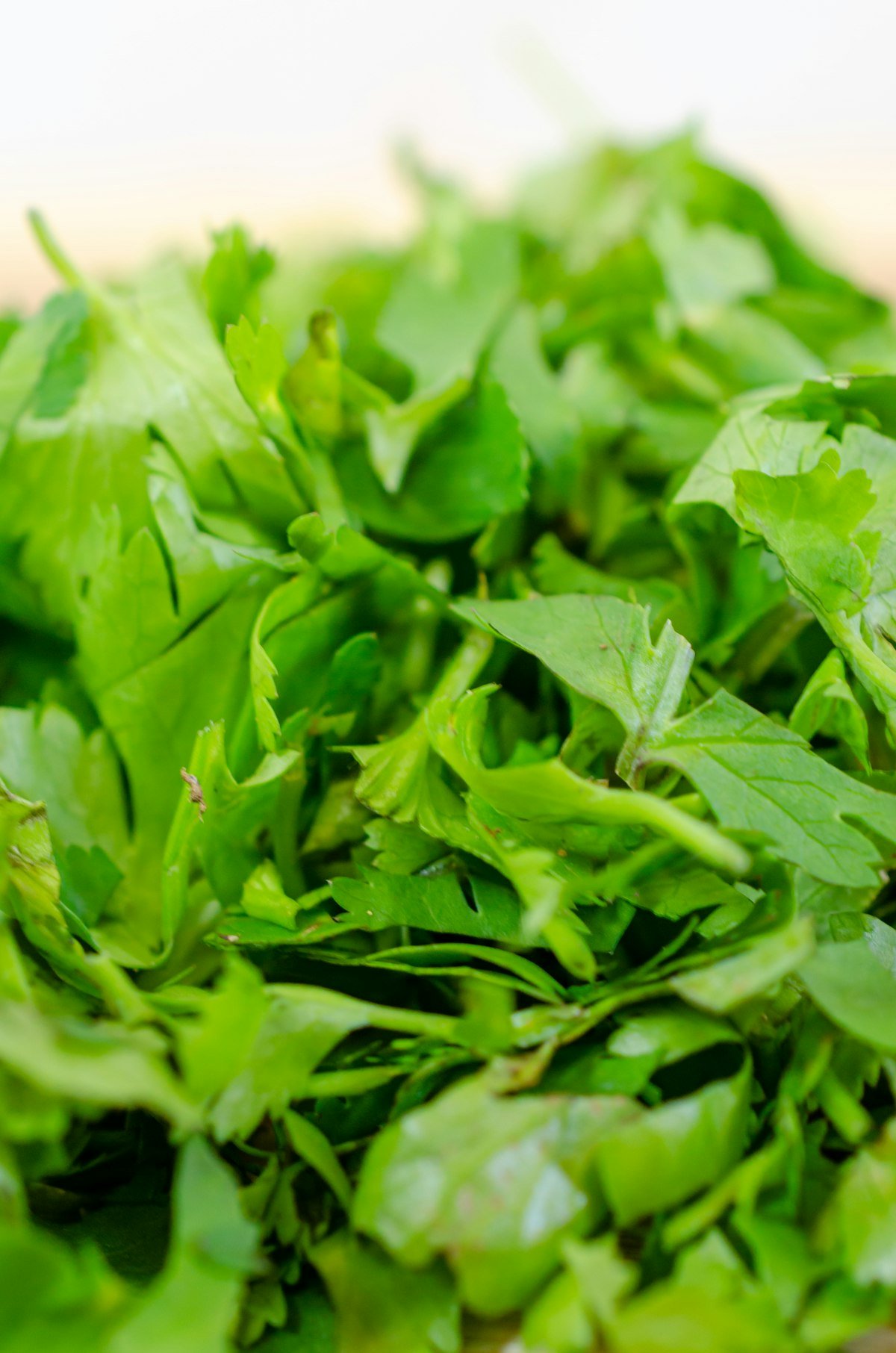
- Leafy greens like arugula, spinach and lettuce are some of the richest sources.
- Your mouth bacteria help: the first step happens in your mouth.
- Food first: supplements add little for most people and can interact with blood pressure and erectile dysfunction medicines.
How food becomes nitric oxide
It works in steps. You eat vegetables rich in nitrate. Friendly bacteria on your tongue turn some of it into nitrite. When you swallow, your body turns nitrite into nitric oxide, especially where oxygen is low, like working muscles. A second route uses the amino acids L-arginine and L-citrulline (found in watermelon), though that pathway tends to slow with age.
What does it add up to? A 2013 review of 16 trials found that nitrate and beet juice lowered systolic blood pressure (the top number) by about 4 points. A larger 2017 review of 22 trials found about 3.5 points lower systolic and 1.3 points lower diastolic, with bigger effects in longer studies and at higher doses. That’s helpful, but it’s a nudge, not a treatment.
10 nitric oxide foods to eat more often
| Food | Why it helps |
|---|---|
| Arugula (rocket) | One of the richest nitrate sources of any vegetable |
| Spinach | High in nitrate; easy in eggs, soups and smoothies |
| Lettuce (especially butter and romaine) | Good nitrate source, eaten often |
| Beets and beet juice | The best-studied food in nitric oxide research |
| Celery | High in nitrate |
| Swiss chard and beet greens | Leafy and nitrate-rich |
| Bok choy and cabbage | Moderate nitrate, plus fiber |
| Watermelon | Natural source of L-citrulline |
| Dark chocolate and cocoa (in moderation) | Flavanols support blood vessel function |
| Garlic and pomegranate | Studied for blood vessel health; small effects |
An easy target: a big handful of leafy greens every day, and beets or a small glass of beet juice a few times a week.
Things that quietly cancel the benefit
Antibacterial mouthwash Some evidence
Studies suggest strong antiseptic mouthwash can kill the tongue bacteria that start the nitrate-to-nitric-oxide process. Ask your dentist whether you need it every day.
Smoking Strong evidence
Damages the lining of blood vessels and the body’s ability to make nitric oxide.
Sitting all day Strong evidence
Movement itself is one of the strongest signals for blood vessels to make nitric oxide.
Overcooking greens in lots of water Limited evidence
Nitrate leaches into cooking water. Eat some greens raw or lightly cooked.
Movement matters as much as food

When you walk, the blood rushing past your artery walls signals them to make more nitric oxide. Regular aerobic exercise is one of the best-proven ways to keep blood vessels flexible with age. Pair it with the foods above for the biggest benefit.
Cold hands and feet, or calf pain when walking? Read cold hands and feet after 50 first: some causes need a doctor, not a food.
- take blood pressure medicine: nitrate-rich juices and supplements can add to the effect
- take nitrates for chest pain or medicines for erectile dysfunction (sildenafil, tadalafil): avoid nitric oxide supplements unless your doctor agrees
- take warfarin: large, sudden changes in leafy greens (vitamin K) affect your dose, so keep your intake steady
- have kidney stones: beets and spinach are high in oxalate
What about nitric oxide supplements?
Most “nitric oxide boosters” combine beetroot powder with L-citrulline or L-arginine, sometimes hawthorn or sodium nitrite. They can offer a convenient dose, but they often don’t print how much nitrate is inside, and the effects in studies are modest. For most people, a daily salad does the same job for less.
The one our readers ask about most:
Questions readers ask
What foods increase nitric oxide the most?
Nitrate-rich vegetables: arugula, spinach, lettuce, celery, Swiss chard and beets. Watermelon provides citrulline, which the body also uses to make nitric oxide.
Does beet juice lower blood pressure?
Modestly. Research reviews found beet juice and nitrate lowered systolic blood pressure by about 3 to 5 points on average, with larger effects in longer studies and at higher doses.
How much beet juice should I drink?
Studies used anywhere from about 70 to 500 mL a day. If you take blood pressure medicine or have kidney stones, ask your doctor first.
Does mouthwash affect nitric oxide?
Studies suggest strong antibacterial mouthwash can reduce the mouth bacteria that help turn food nitrate into nitric oxide.
Are nitric oxide supplements safe?
For many healthy adults, food-based ones are, but they can add to blood pressure medicines and must not be combined with nitrates for chest pain or erectile dysfunction drugs without a doctor’s OK.
Is it better to get nitric oxide from food or supplements?
Food first. Leafy greens and beets provide nitrate plus fiber, potassium and other nutrients, at a lower cost.
- Siervo M, et al. Inorganic nitrate and beetroot juice supplementation reduces blood pressure in adults: a systematic review and meta-analysis. J Nutr. 2013
- Bahadoran Z, et al. The nitrate-independent blood pressure-lowering effect of beetroot juice: a systematic review and meta-analysis. Adv Nutr. 2017
This article is general information, not medical advice. Some links lead to our independent reviews, which contain affiliate links; we may earn a commission at no extra cost to you. Talk to your doctor before starting any new supplement.