You finally got your toenail looking almost normal. Months of cream, filing and patience. And then, a year later, the yellow spot is back at the edge of the nail.
If that sounds familiar, you’re not doing anything wrong. Toenail fungus is one of the most stubborn infections there is, it’s more common after 50, and it often comes back. Here’s why, which treatments dermatologists rely on, and the everyday habits that keep it gone.
- Toenail fungus often returns, sometimes a year or more after it seemed to clear.
- Toenails grow slowly, so even successful treatment takes 12 to 18 months to show a clear nail.
- Prescription options work best: oral terbinafine or itraconazole, or prescription nail solutions for mild cases.
- Not proven: over-the-counter terbinafine cream (it’s for skin), lasers and tea tree oil.
- Prevent reinfection: dry feet, clean socks, treated shoes, flip-flops in public showers, and treat athlete’s foot.
Why toenail fungus keeps coming back
The fungus lives under the nail
The nail is a hard shield. Creams on top often can’t reach the infection underneath, especially in thick nails.
Toenails grow very slowly
A big toenail can take 12 to 18 months to grow out completely. Stopping treatment when it “looks better” leaves fungus behind.
Your shoes and socks are reservoirs
Fungal spores survive in shoes, socks and shower floors and reinfect the nail.
Athlete’s foot nearby
Fungus on the skin between the toes can spread back into the nail.
Age, circulation and diabetes
Slower nail growth, poorer blood flow and diabetes make infections harder to clear and easier to catch again.
Treatments that work best
The American Academy of Dermatology (AAD) describes these options. A dermatologist will choose based on how many nails are affected and how thick they are:
| Treatment | What to know |
|---|---|
| Oral terbinafine | Usually 12 weeks for toenails. Liver blood tests before and during treatment. |
| Oral itraconazole | Treats toenails and fingernails; interacts with many drugs, including some statins. |
| Prescription nail solutions (efinaconazole, tavaborole, ciclopirox) | For mild to moderate cases; used daily for about 48 weeks. |
| Urea 40% cream | Softens thick nails so other treatments get through. |
| In-office care | Trimming, thinning, or removing part of the nail so medicine can reach the fungus. |
Even when the fungus clears in 6 to 12 weeks with pills, the nail may take a year or longer to grow out clear. Patience is part of the treatment.
What doesn’t work well
- Over-the-counter terbinafine cream: it treats athlete’s foot on the skin, not nail fungus.
- Lasers: not FDA-approved to treat the infection itself, and usually not covered by insurance.
- Tea tree oil and mentholated rubs: only small studies, so it’s unclear whether they work.
8 habits that keep it from coming back

Dry your feet well Strong evidence
Especially between the toes, every time you shower.
Change socks daily Strong evidence
More often if your feet sweat. Moisture-wicking socks help.
Alternate your shoes Some evidence
Let each pair dry out for a day or two. Use an antifungal spray or powder inside.
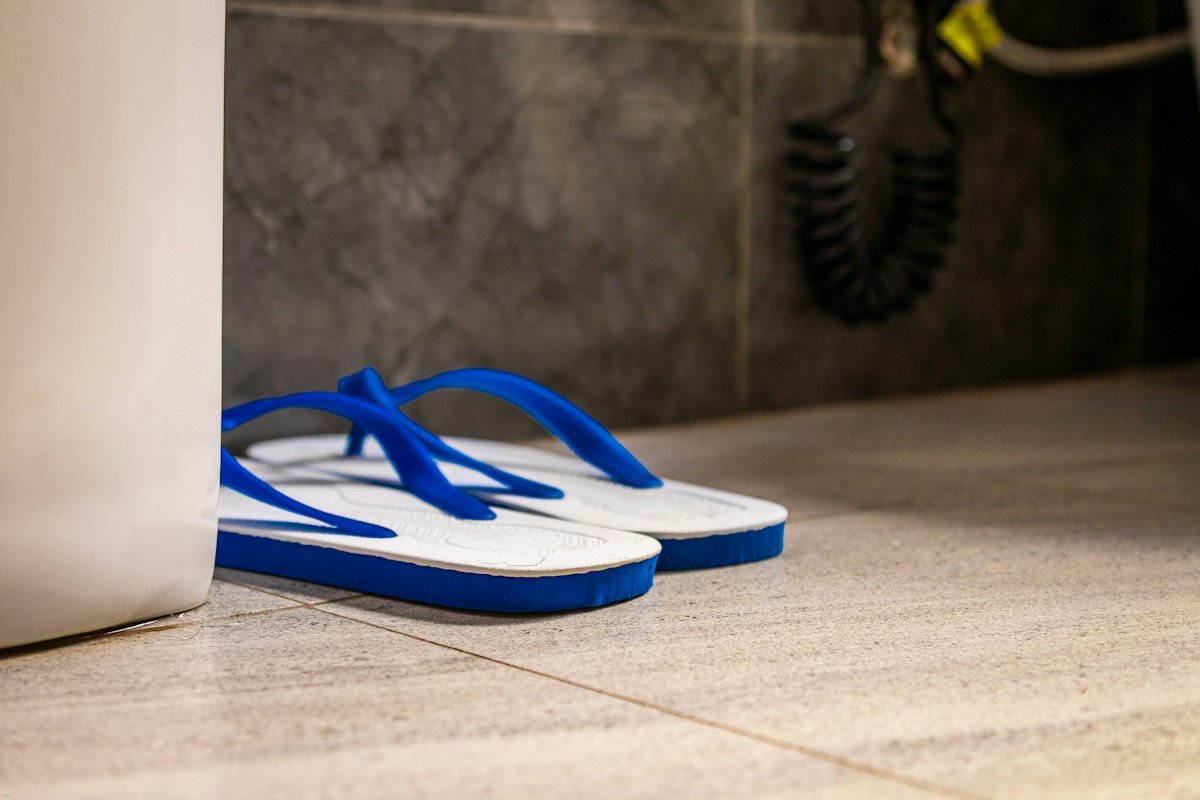
Wear flip-flops in public showers Strong evidence
At the gym, pool and locker rooms.
Treat athlete’s foot right away Strong evidence
An over-the-counter antifungal cream works well on the skin.
Keep nails short and straight Some evidence
And use your own clippers; clean them after use.
Ask about maintenance treatment Strong evidence
The AAD notes that a dermatologist may prescribe a topical to use for a year or longer after the infection clears, especially for people with diabetes or poor circulation.
Treat a return early Strong evidence
The sooner you treat a comeback, the better the results.
What about nail serums sold online?
Many online “nail fungus” products are blends of oils and plant extracts. Some contain an antifungal ingredient, but none has the evidence of prescription treatment, and the honest goal for these is a better-looking nail, not a cure. These are the two our readers ask about most:
A thick, painful or spreading nail, or any nail problem with diabetes, deserves a dermatologist or podiatrist visit first.
Questions readers ask
Why does my toenail fungus keep coming back?
Because the fungus can survive under the nail, in shoes and socks, and in athlete’s foot on the skin. Toenails also grow slowly, so treatment is often stopped too early.
How long does it take to get rid of toenail fungus?
Oral terbinafine usually runs 12 weeks, and prescription nail solutions about 48 weeks. A clear nail can take 12 to 18 months to grow out.
What is the most effective treatment for toenail fungus?
Oral antifungal pills such as terbinafine are usually the most effective for moderate to severe cases. Prescription nail solutions are an option for mild cases. Ask a dermatologist.
Does over-the-counter cream work on toenail fungus?
Over-the-counter terbinafine cream treats athlete’s foot on the skin, not fungus inside the nail.
Do lasers cure nail fungus?
Lasers are not FDA-approved to treat the infection itself, and insurance usually doesn’t cover them.
How do I stop toenail fungus from coming back?
Keep feet dry, change socks daily, alternate and treat your shoes, wear flip-flops in public showers, treat athlete’s foot, and ask a dermatologist about maintenance treatment.
This article is general information, not medical advice. Some links lead to our independent reviews, which contain affiliate links; we may earn a commission at no extra cost to you. Talk to your doctor before starting any new supplement.