Your doctor says your blood sugar is “creeping up.” You’ve cut sweets. And now everyone is talking about the gut: probiotics, “microbiome,” GLP-1. Is there really a link?
Yes, and it’s one of the more interesting findings of the last ten years. Trillions of bacteria live in your gut, and what you feed them changes how your body handles sugar. The good news: the strongest tools are in your kitchen, not in a capsule. Here’s how the connection works, the signs worth checking, and what actually helps after 50.
- The link is real: gut bacteria turn fiber into compounds that help insulin work and release GLP-1, a gut hormone that slows digestion.
- Fiber is the main lever: it slows sugar absorption and feeds helpful bacteria. Most Americans eat about half of what they need.
- Target after 50: about 22 g of fiber a day for women and 28 g for men.
- Probiotics: small, mixed effects. Food comes first.
- Don’t skip the basics: a 10-minute walk after meals, sleep, and an A1c test if you’re over 45.
How your gut affects your blood sugar: 6 links
Fiber slows the sugar rush
Soluble fiber (in oats, beans, psyllium, apples) turns into a gel in the gut. Sugar from the meal enters the blood more slowly, so the after-meal spike is lower.
Bacteria make short-chain fatty acids
When gut bacteria ferment fiber, they make short-chain fatty acids such as butyrate. These help the body respond better to insulin. A 2018 study in Science found that a high-fiber diet improved A1c in people with type 2 diabetes by boosting these fiber-eating bacteria.
Your gut makes GLP-1
Cells in the lower gut release GLP-1 and PYY when fiber and short-chain fatty acids reach them. GLP-1 tells the pancreas to release insulin, slows the stomach and helps you feel full. It’s the same hormone that prescription GLP-1 medicines copy, at much stronger doses (what GLP-1 is, explained simply).
A low-fiber diet starves good bacteria
Diets high in refined carbs and low in plants reduce bacterial variety. Less variety is linked with more weight gain and insulin resistance in studies, though cause and effect isn’t fully proven.
Age, medicines and sleep shift the gut
Bacterial variety tends to drop with age. Antibiotics, acid-reducing pills and poor sleep can also change the mix for weeks.
Inflammation and the “gut barrier”
Researchers think an unhealthy gut may let bacterial pieces slip into the blood and cause low-grade inflammation, which can worsen insulin resistance. This is still being studied.
Signs worth checking with your doctor
| Sign | What it can point to |
|---|---|
| Thirst, frequent urination, blurry vision | High blood sugar |
| Sleepy or foggy after carb-heavy meals | Large after-meal sugar swings |
| A1c of 5.7% to 6.4% | Prediabetes |
| Bloating and gas after adding fiber fast | Normal adjustment; go slower and drink water |
| Blood in stool, ongoing change in bowel habits, weight loss | Needs a doctor and a colon check |
More than 1 in 3 American adults have prediabetes, and most don’t know it, according to the CDC. If you’re over 45, ask your doctor about an A1c test.
- you have strong thirst, frequent urination and unexplained weight loss
- you see blood in your stool or have black, tarry stools
- you have belly pain that doesn’t go away
8 things that help your gut and your blood sugar

Build up to your fiber target Strong evidence
About 22 g a day for women over 50 and 28 g for men. Add 3 to 5 grams a week and drink more water so your gut can adjust.
Eat beans or lentils most days Strong evidence
Half a cup of cooked beans has about 7 grams of fiber, plus protein that also slows sugar absorption.
Start the day with oats or another whole grain Strong evidence
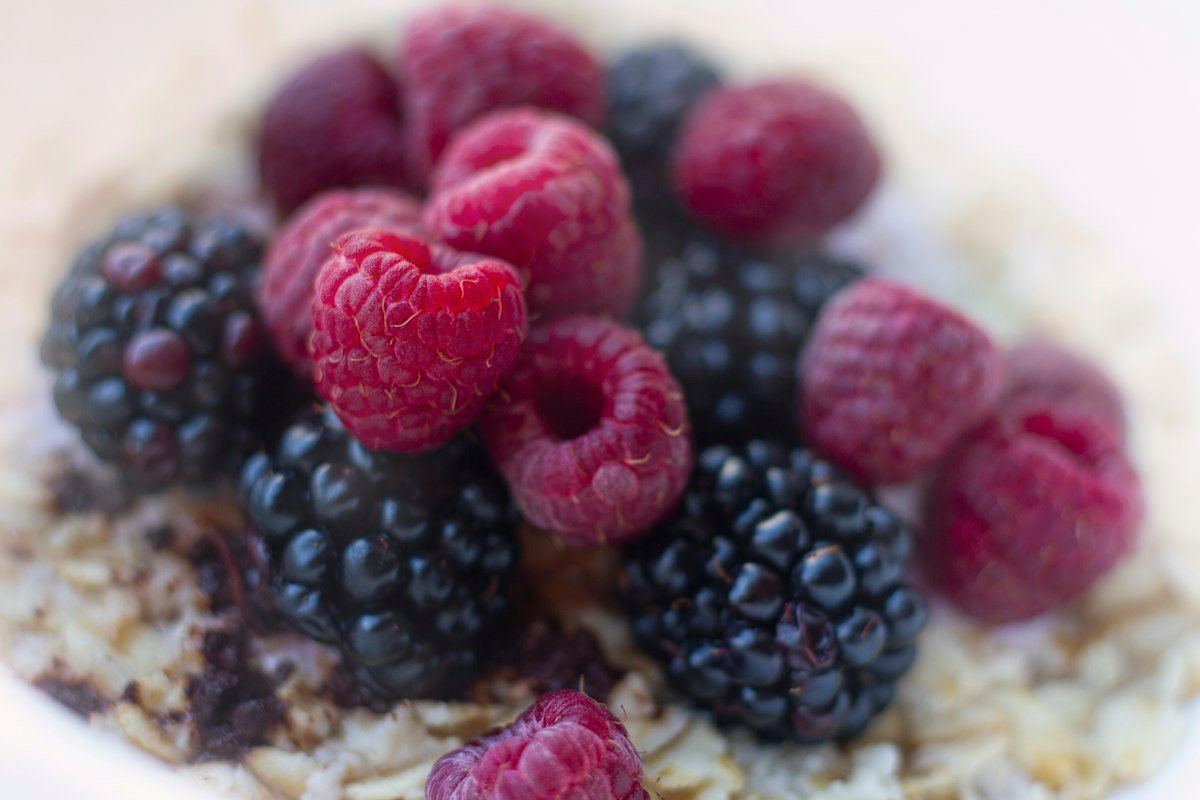
Oat beta-glucan lowers the after-meal sugar rise. Add berries instead of sugar.
Eat 30 different plants a week Some evidence
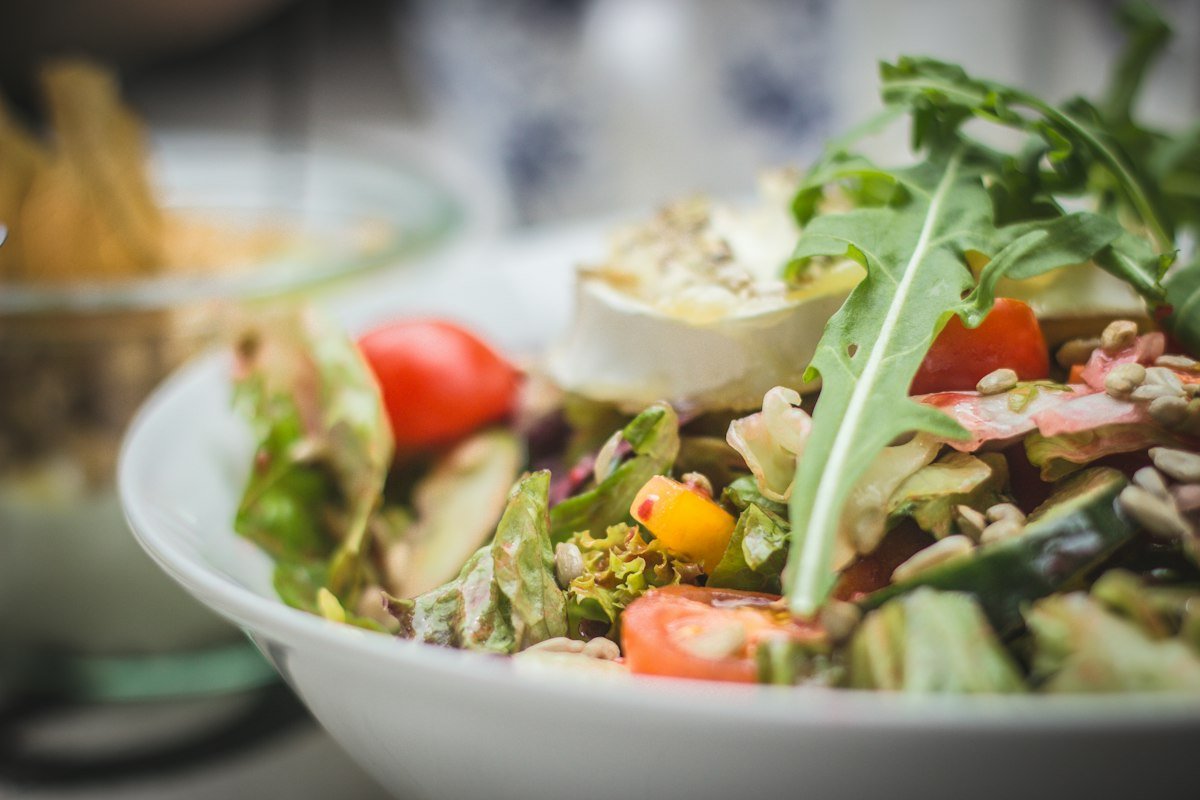
Vegetables, fruit, nuts, seeds, herbs and grains all count. Variety feeds a wider mix of bacteria.
Add fermented foods Some evidence
Plain yogurt, kefir, sauerkraut and kimchi. A Stanford study found a diet rich in fermented foods increased gut bacterial variety and lowered markers of inflammation.
Walk 10 minutes after meals Strong evidence
Working muscles pull sugar out of the blood. It’s one of the easiest ways to blunt a spike. See blood sugar spikes after meals.
Cut back on sugary drinks and ultra-processed snacks Strong evidence
They raise blood sugar fast and leave little fiber for your gut bacteria.
Sleep 7 to 8 hours Some evidence
Short sleep makes the body less sensitive to insulin the next day. See can’t sleep through the night after 50.

Take antibiotics only when your doctor says you need them, and never stop a prescribed course early. If you take diabetes medicine, ask your doctor before big diet changes: your dose may need adjusting.
What about gut and blood sugar supplements?
Many “gut-sugar” products combine fiber (psyllium, glucomannan, inulin) with probiotics and plant extracts. Psyllium has good evidence for lowering blood sugar, but at about 10 grams a day, far more than most capsules hold. Probiotic studies show small, mixed effects. None of these products replaces food changes, walking or medicine your doctor prescribed.
The ones our readers ask about most:
If you take metformin, insulin or other diabetes medicine, talk to your doctor before adding any blood sugar supplement: the effects can add up and cause low blood sugar.
Also reviewed: Gut Glucose, a chewable with berberine, Ceylon cinnamon, banaba and saffron in a 458 mg blend. 60-day guarantee.
Questions readers ask
Can gut health affect blood sugar?
Yes. Gut bacteria turn fiber into short-chain fatty acids, which help the body respond to insulin and release gut hormones like GLP-1 that slow digestion and help you feel full. Fiber itself also slows how fast sugar enters the blood.
What foods help gut health and blood sugar at the same time?
High-fiber foods: oats, beans, lentils, vegetables, berries, nuts, seeds and whole grains. Plain yogurt and kefir add live bacteria. Most Americans eat far less fiber than recommended.
How much fiber should I eat after 50?
The Dietary Guidelines for Americans suggest about 22 grams a day for women over 50 and about 28 grams for men. Add it slowly, with water, to avoid gas and bloating.
Do probiotics lower blood sugar?
Studies show small, mixed effects, mostly in people who already have type 2 diabetes. Probiotics are not a treatment for high blood sugar. Food fiber has stronger evidence.
Do antibiotics affect blood sugar?
Antibiotics can change gut bacteria for weeks. Take them only when needed and as prescribed; never stop a course early on your own.
When should I see a doctor?
If you have strong thirst, frequent urination, blurry vision, slow-healing sores or weight loss you can’t explain, or gut changes like blood in your stool. After 45, ask about a blood sugar test (A1c) and colon cancer screening.
- Zhao L, et al. Gut bacteria selectively promoted by dietary fibers alleviate type 2 diabetes. Science. 2018 (PubMed 29590046)
- Gibb RD, et al. Psyllium fiber improves glycemic control: a meta-analysis. Am J Clin Nutr. 2015 (PubMed 26561625)
- Wastyk HC, et al. Gut-microbiota-targeted diets modulate human immune status. Cell. 2021 (PubMed 34256014)
- NCCIH (NIH): Probiotics, usefulness and safety
- CDC: About prediabetes
- Dietary Guidelines for Americans
This article is general information, not medical advice. Some links lead to our independent reviews, which contain affiliate links; we may earn a commission at no extra cost to you. Talk to your doctor before starting any new supplement.