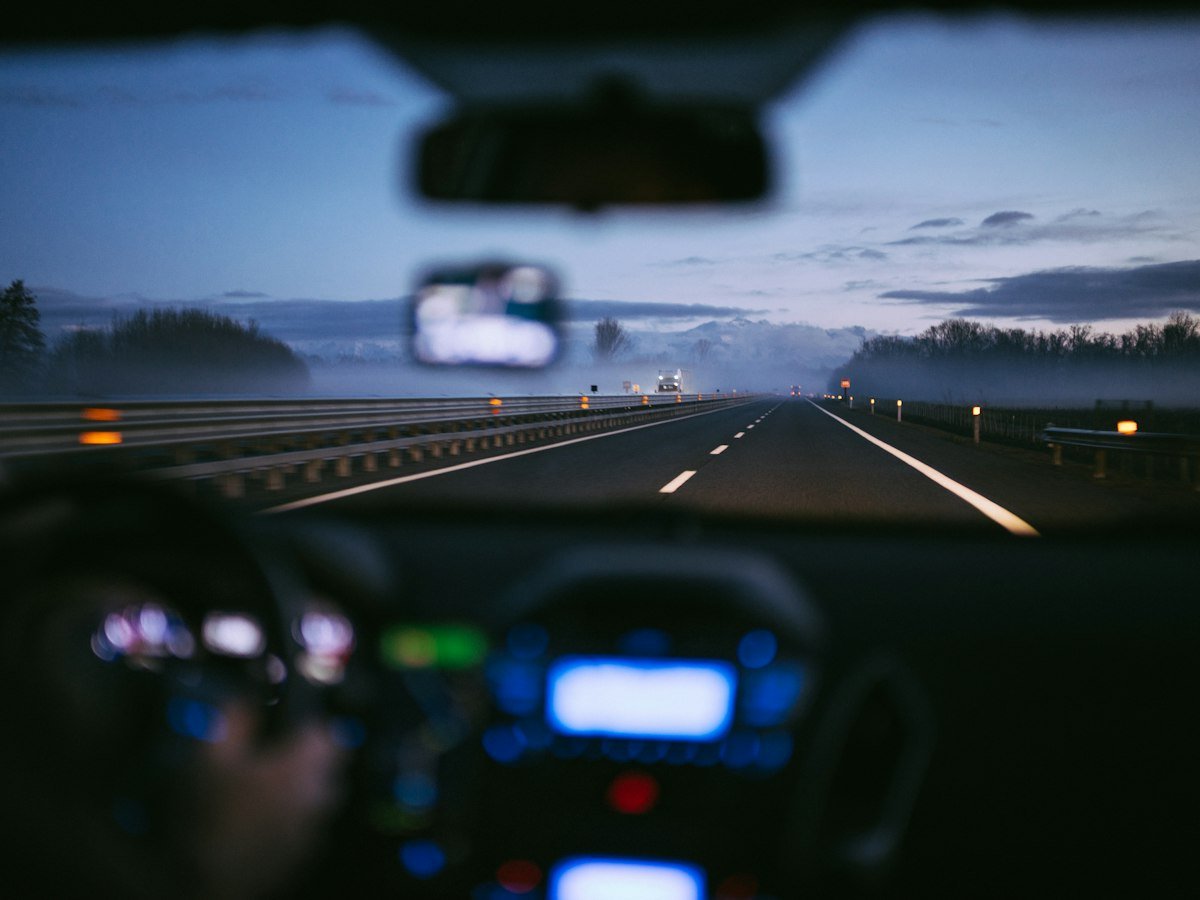
Oncoming headlights feel like flashbulbs. Street signs show up later than they used to. And more and more often you find a reason to be home before dark.
If night driving has started to feel stressful, you’re far from alone. Our eyes change in very predictable ways after 50, and the dark is where those changes show up first. Safety groups estimate that a 50-year-old driver needs roughly twice as much light as a 30-year-old to see the same thing.
Some of these changes are normal aging. Some are early signs of very treatable problems, especially cataracts and dry eye. Here’s how to tell the difference and what you can do this week.
- Normal aging: smaller pupils, a yellowing lens and slower adjustment to the dark all cut the light reaching your retina.
- Top treatable cause: early cataracts, which scatter light into glare, halos and starbursts.
- Quick wins: clean windshield and headlights, dim the dashboard, updated glasses with an anti-reflective coating.
- Lutein and zeaxanthin: may help glare recovery and contrast in some studies; they don’t fix cataracts.
- Get an eye exam if: night vision got worse within a year, or glare is making you avoid driving.
Why your night vision fades: what happens inside the eye
Three things change at once. First, the pupil gets smaller and opens less in the dark, like a camera whose aperture won’t open all the way. Second, the lens slowly yellows and clouds, so less light gets through and more of it scatters. Third, the retina takes longer to adapt after a bright light, so you’re “blind” for a few extra seconds after each set of high beams.
Scattered light is the key. When the lens is no longer crystal clear, a headlight doesn’t focus into a sharp point. It spreads into a glow, a halo or a starburst. Brighter LED headlights make that discomfort worse, even if they don’t actually block more of the road.
6 common reasons night driving gets harder
Early cataracts
Often the very first sign of a cataract is worse night vision: glare, halos, faded colors and needing more light to read. Cataract surgery is one of the most successful operations there is.
Clue: glare that bothers you more each year, and colors look duller.
Dry eye
An uneven tear film acts like a smudged lens. Vision may blur and then clear when you blink, and it gets worse the longer you drive. Concentrating also makes you blink less.
Out-of-date glasses
A small uncorrected prescription that you barely notice by day becomes obvious when the pupil opens in the dark. Some people need a separate pair for night driving.
Natural aging of the eye
Smaller pupils and slower dark adaptation are normal. They’re the reason a well-lit road feels fine but a country road at night doesn’t.
Diabetes and other eye diseases
Diabetic eye disease, glaucoma and macular degeneration can all affect night vision and contrast. Regular dilated eye exams catch them early.
Low vitamin A
Rare in the US, but a real cause of night blindness, mostly after weight-loss surgery or with certain gut problems.
- your night vision got noticeably worse within the past year
- you see halos or starbursts around every light
- you suddenly see flashes, many new floaters or a curtain over part of your vision (same day)
- one eye is much worse than the other
- you have diabetes and haven’t had a dilated eye exam this year
What actually helps you see better at night
Get a full eye exam Strong evidence
This is the single most useful step. Many people simply need an updated prescription or have a cataract that’s ready to be fixed.
Anti-reflective lenses Some evidence
An anti-reflective coating cuts reflections on the glasses themselves. Skip the yellow “night driving glasses”: studies found they don’t improve night vision and may make it worse.
Clean glass, inside and out Some evidence
A hazy windshield scatters light just like a cloudy lens. Clean the inside too, and replace worn wiper blades. Hazy headlight covers can be restored.
Dim the dashboard and screens Some evidence
Bright interior lights shrink your pupils and make the road look darker. Turn dashboard and GPS brightness down.
Look to the right edge of the road Some evidence
When a car approaches, glance at the white line on the right instead of into the headlights. Your eyes recover faster.
Treat dry eye Some evidence
Preservative-free artificial tears before a night drive can smooth out the tear film.
Eat leafy greens Some evidence
Lutein and zeaxanthin collect in the macula and act like built-in sunglasses. Kale, spinach, collards and eggs are the best food sources.

Can eye vitamins help night vision?
The best-studied eye formula is AREDS2, which was designed to slow advanced macular degeneration, not to improve night driving. Separate smaller studies suggest that lutein and zeaxanthin can raise the protective pigment in the macula and help some people recover from glare and see contrast a little better. They will not clear a cataract or replace glasses.
For dose details, see our lutein and zeaxanthin dose guide. If you’re comparing eye supplements, these are the ones we’ve read in full:
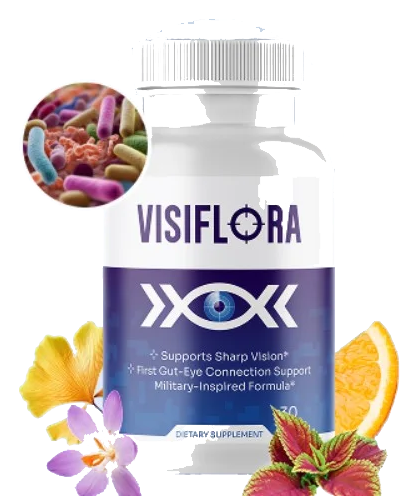 Lutein + saffronVisiFlora22 ingredients including lutein, zeaxanthin, saffron and astaxanthin. What the label shows and what it doesn’t.$49–$79 per bottle · 60 days guaranteeRead our VisiFlora review →
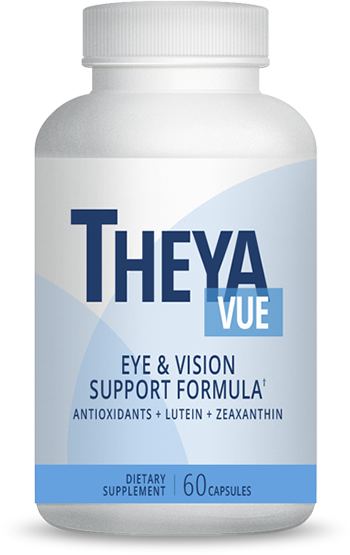 TheyaVueVitamins, zinc and a lutein blend. How it compares with the AREDS2 formula.$39–$59 per bottle · 60 days guaranteeRead our TheyaVue review →
Blurry vision during the day too? Read blurry vision after 50: common causes.
$49–$79 per bottle · 60 days money-back guaranteeRead our honest VisiFlora review →Independent review · We may earn a commission at no extra cost to youQuestions readers ask
Why is my night vision getting worse with age?
After 50 the pupil opens less, the lens yellows and scatters more light, and the eye adapts to darkness more slowly. Early cataracts and dry eye often add to it.
Are halos around lights a sign of cataracts?
They can be. Halos, glare and starbursts around lights are common early cataract symptoms, but dry eye and an outdated prescription can cause them too. An eye exam tells you which.
Do yellow night driving glasses work?
Studies have not shown that yellow-tinted night driving glasses improve vision at night, and they can reduce the light reaching your eyes. An anti-reflective coating on your regular glasses is a better choice.
What vitamin is good for night vision?
Vitamin A is needed for night vision, but true deficiency is rare in the US. Lutein and zeaxanthin may help glare recovery and contrast in some studies.
Can cataract surgery improve night driving?
For many people, yes. Removing a cloudy lens often reduces glare and halos and brightens colors, though some lens implants can cause their own halos at first.
Is it safe to drive at night with cataracts?
That depends on how much they affect your vision. If glare makes it hard to see the road, limit night driving and talk to your eye doctor about surgery.
This article is general information, not medical advice. Some links lead to our independent reviews, which contain affiliate links; we may earn a commission at no extra cost to you. Talk to your doctor before starting any new supplement.