
Every year it’s the same story. Thanksgiving, a few parties, cookies at the office, Christmas dinner, New Year’s Eve. By January your pants feel tighter and you promise yourself it will come off in spring.
Here’s the surprise: research shows the average holiday gain is small, about a pound. The problem is what happens next. In a well-known NIH study, people did not lose that pound later in the year. One pound a year, every year, is how many of us end up 15 or 20 pounds heavier by our 60s.
After 50, it’s also harder to lose, because we have less muscle and burn a little less energy. So the smartest plan is not a January diet. It’s a few easy habits from now until New Year’s.
- The real number: the average holiday gain is about 1 pound (0.4 to 0.5 kg), not the 5 pounds people often say.
- The catch: that pound usually stays. It quietly adds up year after year.
- Habit with proof: stepping on the scale regularly during the holidays helped people avoid gain in a randomized trial.
- Easy win: a 10 to 15 minute walk after big meals helps your body handle the sugar from that meal.
- Watch the drinks: eggnog, wine and cocktails add calories fast without filling you up.
- No pill replaces this: supplements are optional extras, never the plan.
Why holiday pounds stick after 50
In a study from the National Institutes of Health, researchers weighed 195 adults before, during and after the holidays. On average, people gained a little less than a pound between mid-November and early January. Most didn’t lose it again by the next fall.
After 50, three things make that pound harder to shake: we usually have less muscle (and muscle burns energy even at rest), sleep often gets lighter, and many of us move less in cold weather. Think of it like a savings account that only takes deposits.
7 holiday traps that add up
Grazing all day
Cookies at work, nuts on the coffee table, a taste while cooking. None of it feels like a meal, so it doesn’t “count”.
Clue: you’re never really hungry but always a little full.
Saving up for the big dinner
Skipping breakfast to “make room” usually means arriving starving and eating faster and more.
Liquid calories
Eggnog, hot chocolate, wine and cocktails add up fast and don’t fill you up. Alcohol also makes it easier to keep eating.
Leftovers for a week
One feast turns into five days of pie for breakfast.
Less moving
Cold, dark evenings and travel break the walking habit.
Short sleep and stress
Late nights and family stress make sweet and salty foods more tempting the next day.
Stopping the scale
Many people stop weighing themselves in December. Studies show weighing drops off during the holidays, and that’s when weight creeps up.
9 habits that keep the scale steady
Weigh yourself a few times a week Strong evidence
Same time, same scale, no drama. Just notice the trend. In a randomized trial, people who weighed themselves regularly and got simple tips avoided holiday weight gain, while the comparison group gained.
Walk 10 to 15 minutes after big meals Strong evidence
A short, easy walk after eating helps your muscles use the sugar from the meal. Make it a family tradition after dinner.
Eat a normal breakfast with protein Some evidence
Eggs, Greek yogurt or cottage cheese on feast days help you arrive at dinner calm, not starving.
Pick your favorites, skip the “just because” Some evidence
Have the pie you love. Skip the store-bought cookies you don’t even like.
One drink, then water Some evidence
Alternate each drink with a glass of water, and choose lighter options like wine spritzers.
Use a smaller plate and serve once Some evidence
Fill the plate, sit down, and eat slowly. Wait 15 minutes before seconds.
Send leftovers home Little evidence
Keep one meal’s worth and pack the rest for guests.
Protect your sleep Some evidence
Aim for 7 hours. Tired people eat more the next day.
Keep some strength work Some evidence
Two short sessions a week (chair squats, wall push-ups, bands) help protect the muscle that keeps your metabolism up after 50.
How to build a smarter holiday plate
| Part of the plate | Fill it with | Easy swap |
|---|---|---|
| Half | Vegetables and salad | Roasted vegetables instead of creamy casseroles |
| A quarter | Protein: turkey, ham, fish | White meat without the skin |
| A quarter | Starch: potatoes, stuffing, rolls | Pick one or two, not all of them |
| Dessert | Your true favorite | A small slice, eaten slowly |
| Drinks | Water, sparkling water, tea | One glass of wine instead of eggnog |
When to talk to your doctor
- you gain weight fast without eating more (it can be fluid, thyroid or a medicine)
- you have diabetes and your sugars run high after holiday meals
- your ankles swell or you get short of breath
- you want to start any weight-loss supplement, especially if you take blood thinners, diabetes or blood pressure medicine
Weight products we’ve reviewed
No supplement can cancel a holiday dinner, and none replaces the habits above. If you’re curious about the products you see advertised this time of year, we read the labels, the order pages and the refund rules for you.
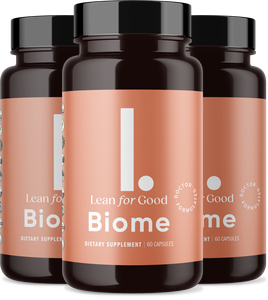 ProbioticLeanBiome9 probiotic strains and decaf green tea. What the label says, the long guarantee and who should skip it.$49–$79 per bottle · 180 days guaranteeRead our LeanBiome review →
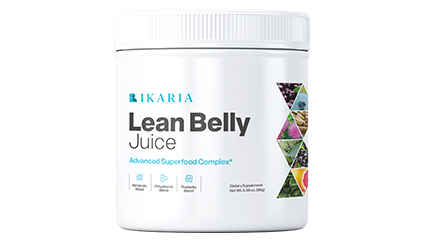 Ikaria Lean Belly JuiceA powder you mix in water. The full label, the real price per day and what it can’t do.$39–$69 per jar · 180 days guaranteeRead our Ikaria Lean Belly Juice review →
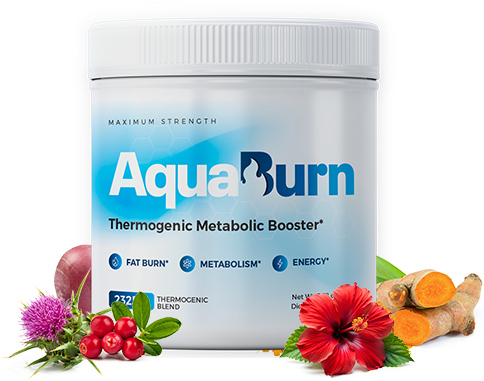 AquaBurnGreen tea, fucoxanthin and African mango blends. What’s shown on the label and what isn’t.$39–$79 per jar · 180 days guaranteeRead our AquaBurn review →
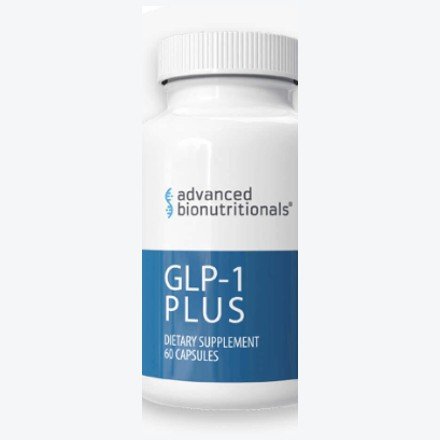 GLP-1 PlusDihydroberberine, gymnema and cinnamon. Not a GLP-1 drug: what that name really means.$83.30–$99.95 per bottle · 90 days guaranteeRead our GLP-1 Plus review →
Confused by the GLP-1 buzz? Read what GLP-1 is in plain English. Stubborn belly? See belly fat after 50 and why you can’t lose weight after 50.
$49–$79 per bottle · 180 days money-back guaranteeRead our honest LeanBiome review →Independent review · We may earn a commission at no extra cost to youQuestions readers ask
How much weight does the average person gain over the holidays?
Less than people think. In an NIH study published in the New England Journal of Medicine, the average gain from mid-November to early January was a little under 1 pound. The problem is that most people didn’t lose it later.
Why is holiday weight harder to lose after 50?
We usually have less muscle, sleep lighter and move less in winter, so the body burns a bit less energy. Small gains add up year after year.
Does weighing myself really help?
Yes. In a randomized trial, people who weighed themselves regularly over the holidays and got simple tips avoided weight gain, while the comparison group gained.
Is walking after a big meal worth it?
Yes. Even a light 10 to 15 minute walk after eating helps your muscles use the sugar from the meal, and it’s easy to do as a family.
How do I eat Thanksgiving dinner without overeating?
Eat a normal breakfast with protein, fill half your plate with vegetables, choose one or two starches, eat slowly, and wait 15 minutes before seconds.
Do weight loss supplements work over the holidays?
No supplement cancels out holiday meals. At best, some may add a small extra help on top of good habits. Ask your doctor first if you take any medicine.
Should I diet in January instead?
Preventing the gain is easier than losing it later. A few steady habits now beat a strict diet in January.
- Yanovski JA et al. A prospective study of holiday weight gain, N Engl J Med 2000 (PMID 10727591)
- Mason F et al. Brief behavioural intervention to prevent weight gain over the Christmas holiday: randomised controlled trial, BMJ 2018 (PMID 30530821)
- Fahey MC et al. Do the holidays impact weight and self-weighing behaviour?, Obes Res Clin Pract 2019 (PMID 31182293)
- Buffey AJ et al. Interrupting sitting with light walking and cardiometabolic health, Sports Med 2022 (PMID 35147898)
- NIDDK (NIH): Healthy eating and physical activity tips
This article is general information, not medical advice. Some links lead to our independent reviews, which contain affiliate links; we may earn a commission at no extra cost to you. Talk to your doctor before starting any new supplement.