Your doctor says your LDL is “a little high” and wants to recheck in three months. You’d rather not start a statin if you don’t have to. So what actually moves the number?
LDL tends to climb after 50, especially for women after menopause, when estrogen’s protective effect fades. The good news is that a few changes each lower LDL by a few percent, and when you stack them, the total can be meaningful: often 10% to 20%, sometimes more.
Below is our honest ranking, from the steps with the strongest proof to the ones that are mostly marketing. We also explain the simple mechanism behind each, so you know why it works.
- Biggest food lever: swap saturated fat (butter, fatty red meat, cheese) for unsaturated fats (olive oil, nuts, fish).
- Soluble fiber: 5 to 10 grams a day from oats, beans, barley and psyllium lowers LDL.
- Plant sterols: about 2 grams a day lower LDL by roughly 8% to 10%.
- Recheck in 3 months: LDL takes 6 to 12 weeks to respond.
- Not enough on its own: LDL over 190, heart disease or diabetes usually needs medicine too.
How LDL works, in plain English
Your liver makes most of your cholesterol, not your food. It also pulls LDL out of your blood through little “docking stations” called LDL receptors. Saturated fat tells the liver to make fewer docking stations, so more LDL stays in your blood. That’s why cutting saturated fat works better than cutting eggs.
Soluble fiber works a different way. In your gut it turns into a gel that traps bile acids, which are made from cholesterol. You lose them in the stool, so the liver has to pull more cholesterol out of your blood to make new ones. Plant sterols block some cholesterol from being absorbed at all.
9 natural ways to lower LDL, ranked
Cut saturated fat Strong evidence
Replacing saturated fat with unsaturated fat is the change with the most research. Keeping saturated fat under about 6% of calories can lower LDL around 10% for many people. Think: olive oil instead of butter, chicken or fish instead of fatty red meat, less cheese and pastries.
Eat 5 to 10 grams of soluble fiber a day Strong evidence
Each extra gram helps a little. A cup of cooked oatmeal has about 2 grams, a cup of beans about 3 to 4, and a teaspoon of psyllium husk about 2 to 3. Psyllium (like Metamucil) is one of the best-studied options.
Add plant sterols or stanols Strong evidence
Foods fortified with sterols (some spreads, yogurts, juices) or supplements giving about 2 grams a day lower LDL by roughly 8% to 10%, and they add on top of other steps.
Lose a little weight if you carry extra Strong evidence
Losing 5% to 10% of your weight improves LDL, triglycerides and HDL. You don’t need a dramatic diet.
Move most days Some evidence
Exercise mostly raises HDL and lowers triglycerides; its effect on LDL is smaller. Aim for 150 minutes of brisk walking a week plus some strength work.
Eat a handful of nuts Some evidence
About 1.5 ounces a day of almonds, walnuts or pistachios lowers LDL by a few percent, mostly by replacing less healthy snacks.
Soy foods Some evidence
Tofu, edamame and soy milk in place of meat give a small extra drop.
Quit smoking Strong evidence
It doesn’t change LDL much, but it raises HDL quickly and makes LDL less damaging to your arteries.
Limit added sugar and alcohol Some evidence
These mostly push up triglycerides, which often travel with high LDL.
How much each step can lower LDL
| Step | Typical LDL drop | How fast |
|---|---|---|
| Less saturated fat | about 5% to 10% | 4 to 6 weeks |
| Soluble fiber 5–10 g/day | about 3% to 5% | 4 to 6 weeks |
| Plant sterols 2 g/day | about 8% to 10% | 2 to 4 weeks |
| Losing 5–10% of weight | about 5% to 8% | a few months |
| Nuts 1.5 oz/day | about 3% to 5% | 4 weeks |
Numbers vary a lot from person to person; these are typical ranges from studies. Combined, the steps can add up to around 20% or more, which is in the range of a low-dose statin for some people.
What doesn’t do much
- Cutting out eggs only: for most people dietary cholesterol matters less than saturated fat.
- Apple cider vinegar, detox teas and “cholesterol cleanses”: no good evidence for LDL.
- Garlic pills: small and inconsistent effect.
- High-dose niacin: lowers numbers but didn’t prevent heart attacks in big trials, and it has side effects.
- LDL of 190 mg/dL or higher (this can be inherited and needs medical care)
- you’ve already had a heart attack, stroke or stent
- you have diabetes, or high overall heart risk on your doctor’s calculator
- Red yeast rice works like a weak statin and can have the same side effects, so don’t take it with a statin and talk to your doctor first
What about cholesterol supplements?
The supplements with the strongest LDL data are plant sterols and psyllium fiber. Many “heart support” formulas use herbs or mushroom extracts instead, with much less proof. That doesn’t mean they’re useless, but it does mean they should never replace the steps above or a medicine your doctor prescribed.
We read the labels of two popular formulas line by line:
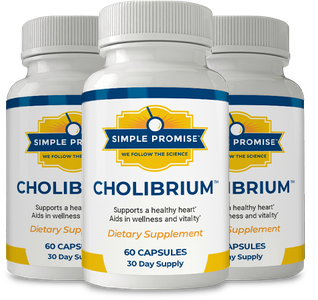 Mushroom blendCholibrium10 mushroom extracts, including reishi and shiitake. What the label shows and what the research really says.$39–$59 per bottle · 365 days guaranteeRead our Cholibrium review →
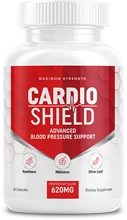 Cardio ShieldA heart and blood pressure blend with hibiscus. Label, price and long guarantee.$39–$59 per bottle · 180 days guaranteeRead our Cardio Shield review →
Blood pressure going up at the same time? Read why blood pressure creeps up after 50.
Questions readers ask
What is the fastest way to lower LDL naturally?
Cutting saturated fat while adding soluble fiber and about 2 grams a day of plant sterols is the fastest food-based combination. Most people see the change on a blood test after 4 to 12 weeks.
Can I lower cholesterol without statins?
Many people with mildly high LDL can bring it down with diet and lifestyle. If your LDL is very high, or you have heart disease or diabetes, medicine is usually still needed, so decide this with your doctor.
Why did my cholesterol go up after menopause?
Estrogen helps the liver clear LDL. When it drops, LDL commonly rises 10% to 15%, even if your diet hasn’t changed.
Are eggs bad for cholesterol?
For most people, an egg a day has a small effect. Saturated fat from butter, fatty meat and cheese raises LDL more.
What drink lowers cholesterol?
No drink works alone, but oat milk or a psyllium drink adds soluble fiber, and some juices and yogurt drinks are fortified with plant sterols.
How long does it take to lower LDL with diet?
LDL responds in about 6 to 12 weeks. Ask to recheck your lipid panel around 3 months after you change your habits.
This article is general information, not medical advice. Some links lead to our independent reviews, which contain affiliate links; we may earn a commission at no extra cost to you. Talk to your doctor before starting any new supplement.