You wake up with puffy eyes and a rounder face. By evening your rings feel tight and your socks leave deep lines. Your feed is full of gua sha stones, dry brushes and “lymphatic drainage” routines. Do any of them help?
Lymphatic drainage has become one of the biggest wellness trends of the last few years. Some of it is real science, and a lot of it is marketing. The honest answer is that gentle drainage can move fluid temporarily, but it doesn’t “detox” you, burn fat or fix the reason you’re puffy in the first place.
Let’s look at how your lymph system actually works, the everyday causes of puffiness after 50, and the habits that make a real difference.
- Your lymph has no pump: it moves when your muscles move and when you breathe deeply.
- Facial massage: can reduce morning puffiness for a few hours. It doesn’t reshape your face.
- Common causes: salt, alcohol, poor sleep, sitting, heat, hormones and some medicines.
- What helps most: walking, calf exercises, raising your legs, less salt and compression socks.
- See a doctor for: swelling in one leg only, sudden swelling or swelling with shortness of breath.
How your lymphatic system works, in one minute
Your blood vessels leak a little fluid into your tissues all day long. The lymphatic system is a network of thin vessels just under the skin that collects that extra fluid and returns it to your bloodstream. Unlike blood, lymph has no heart to pump it. It moves when the muscles around it squeeze, when you breathe deeply, and with gravity.
That’s why fluid pools where gravity pulls it. Lying flat all night lets it settle in your face and eyelids. Sitting or standing still all day sends it to your ankles. When you move, the muscle pump starts again and the swelling goes down.
7 common causes of puffiness after 50
Too much salt
Salt makes your body hold on to water. A salty dinner is one of the most common reasons for a puffy face the next morning.
Sitting or standing for hours
Without the calf muscle pump, fluid settles in the lower legs. Long flights and car rides are classic triggers.
Alcohol and poor sleep
Both shift fluid and hormones overnight. Sleeping on your stomach or side can also make one side of the face puffier.
Heat
Warm weather widens blood vessels, so more fluid leaks into the tissues.
Hormones
Shifting estrogen and progesterone around menopause can cause water retention and bloating.
Medicines
Some blood pressure pills (especially amlodipine and similar), steroids, NSAID pain relievers and some diabetes medicines cause ankle swelling.
Clue: the swelling started after a new prescription.
Weaker leg veins
Vein valves can wear out with age, so blood and fluid pool in the legs. Heavy, achy legs at the end of the day are a typical sign. More in heavy, swollen legs after 50.
- only one leg is swollen, warm, red or painful (possible blood clot)
- swelling came on suddenly or is getting worse fast
- you also feel short of breath, especially lying down
- pressing the skin leaves a dent that stays for several seconds
- you have heart, kidney or liver disease and notice new swelling
Does lymphatic drainage massage really work?
Manual lymphatic drainage is a real medical therapy. Trained therapists use very light, slow strokes to help move fluid in people with lymphedema, for example after breast cancer surgery. In that setting it is part of a proven treatment plan along with compression.
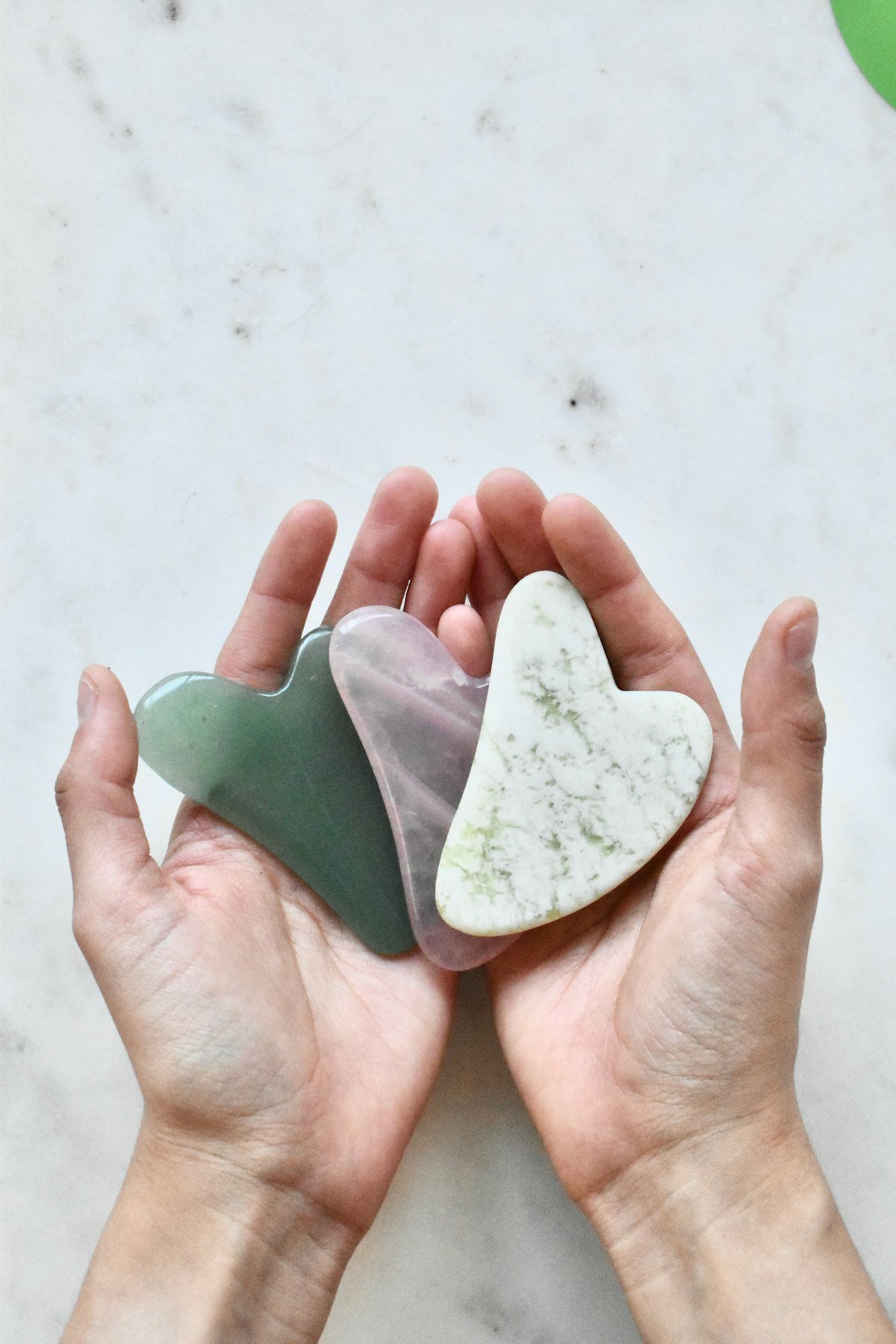
For everyday puffiness, the effect is smaller and short-lived. Gentle strokes from the center of the face out toward the ears and down the neck can make morning puffiness go down faster, and many people enjoy the ritual. But claims that it removes toxins, melts fat or boosts immunity aren’t backed by good evidence. Your liver and kidneys already handle waste.
What actually helps reduce puffiness and swelling
Walk and work your calves Strong evidence
Walking, ankle pumps and calf raises squeeze the veins and lymph vessels and push fluid back up. Try 20 ankle pumps every hour you sit.
Raise your legs Strong evidence
Put your feet above heart level for 15 to 30 minutes, a few times a day.
Compression socks Strong evidence
Graduated compression (start with 15 to 20 mmHg) helps prevent fluid from pooling during the day. Ask your doctor first if you have poor circulation in your legs.
Cut back on salt Strong evidence
Most salt comes from bread, deli meat, soups, sauces and restaurant food, not the salt shaker.
Drink enough water Some evidence
It sounds backward, but being dehydrated can make the body hold on to fluid.
Sleep with your head slightly raised Some evidence
An extra pillow can reduce morning puffiness around the eyes.
Cold and gentle massage Limited evidence
A cold compress or chilled roller plus light upward strokes can calm a puffy face in the morning.
What about lymph and leg-swelling supplements?
The ingredient with the best research for leg swelling is horse chestnut seed extract. A Cochrane review found it reduced leg pain and swelling in people with chronic venous insufficiency, with results similar to compression stockings in some trials. It can upset the stomach and shouldn’t be combined with blood thinners without asking your doctor. Most other “lymph detox” herbs have little evidence.
These are the formulas we’ve read in full:
 Horse chestnutLymph TonicAlcohol-free drops with horse chestnut and 12 more ingredients. What the label shows and who should skip it.$49–$79 per bottle · 60 days guaranteeRead our Lymph Tonic review →
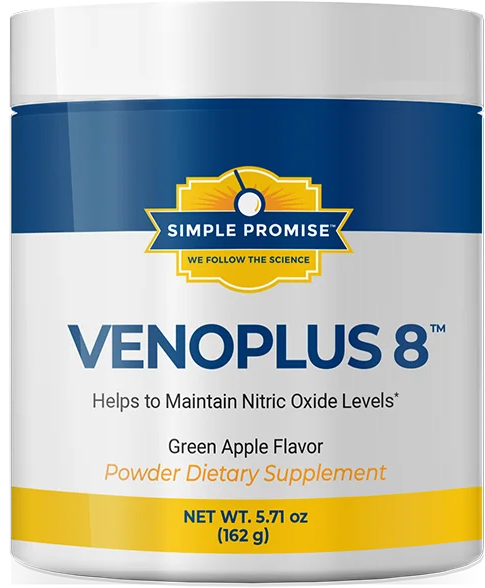 VenoPlus 8Beet, pomegranate, grape seed and K2 for circulation, every dose shown.$39–$59 per jar · 365 days guaranteeRead our VenoPlus 8 review →$49–$79 per bottle · 60 days money-back guaranteeRead our honest Lymph Tonic review →Independent review · We may earn a commission at no extra cost to you
Questions readers ask
Why is my face puffy every morning?
Lying flat lets fluid settle in your face and eyelids overnight. Salty or late meals, alcohol, poor sleep and allergies make it worse. It usually fades within an hour or two of being upright.
Does lymphatic drainage massage reduce puffiness?
It can reduce puffiness for a few hours by moving fluid, especially in the face. It doesn’t remove toxins, burn fat or change your face shape.
How do I get rid of swollen ankles fast?
Raise your legs above heart level, do ankle pumps or take a walk, and wear compression socks the next day. If only one ankle is swollen or it’s painful, see a doctor.
What drink reduces water retention?
Plain water is best. Cutting back on salty foods and alcohol helps more than any special drink.
Is swelling in the ankles a sign of heart problems?
It can be, especially if both ankles swell and you’re also short of breath or tired. Most ankle swelling has simpler causes, but new swelling with breathlessness needs a doctor.
Does horse chestnut help swollen legs?
Studies of horse chestnut seed extract show less leg swelling and pain in people with chronic vein problems. Check with your doctor if you take blood thinners.
This article is general information, not medical advice. Some links lead to our independent reviews, which contain affiliate links; we may earn a commission at no extra cost to you. Talk to your doctor before starting any new supplement.