
You’re sound asleep, and suddenly your calf locks into a hard knot. You grab your leg, point your toes the wrong way, and wait for it to let go. The next day the muscle still feels sore.
Night leg cramps are one of the most common sleep complaints after 50. In most people they are not a sign of something serious. They are a muscle that tightens on its own and won’t relax for a while. Think of it like a rubber band that snaps tight and stays stuck.
The good news is that one simple habit has real evidence behind it, and a few popular “fixes” don’t. Here’s how to tell the difference.
- Very common after 50: muscles and tendons get shorter and stiffer with age, and many people sit more during the day.
- Fast relief: pull your toes up toward your knee, or stand and put weight on the leg. That stretches the knotted muscle.
- Best prevention evidence: stretching your calves and hamstrings every night right before bed reduced cramps in a randomized trial of adults over 55.
- Magnesium: a Cochrane review found it is unlikely to help typical night cramps in older adults.
- Check your pill box: some medicines, like water pills (diuretics), are linked to cramps. Ask your doctor; don’t stop anything on your own.
- See a doctor for: one swollen, red or warm leg, cramps with weakness, or calf pain that comes on when you walk.
Why leg cramps hit at night
A cramp is a muscle that contracts hard and doesn’t switch off. At night your feet usually point down under the blanket, which keeps the calf muscle in a short position for hours. A short muscle is an easy muscle to cramp. Add a day of sitting, a long walk, or standing on a hard floor, and the nerves that control the calf can fire when they shouldn’t.
After 50, tendons get a little shorter and less stretchy, and many of us lose some muscle. That’s a big reason why the same person who never had cramps at 35 gets them at 60. In most cases doctors never find one single cause, and the cramps are called “idiopathic”, which simply means “no clear reason”.
7 common causes of night leg cramps
Short, tight calf muscles
Age, sitting and high heels all shorten the calf. Tight muscles cramp more easily.
Clue: you also feel tight when you try to touch your toes or stand on a step.
Too much sitting during the day
Long hours in a chair or car leave the leg muscles in one position.
Overuse
A long walk, yard work, or a new exercise class can leave muscles tired and twitchy that night.
Clue: cramps come after busy or active days.
Medicines
Water pills (diuretics) and some other drugs are linked to cramps. Your doctor or pharmacist can check your list.
Clue: cramps started after a new prescription or a dose change.
Not drinking enough
Mild dehydration is often blamed. The evidence is weaker than people think, but it’s easy to fix.
Health conditions
Diabetes, nerve damage in the feet, kidney disease, thyroid problems and poor blood flow to the legs (peripheral artery disease) can all come with cramps.
Low minerals in your blood
Very low potassium, calcium or magnesium can cause cramps. That is something a simple blood test checks, not something to guess at.
How to stop a cramp in 30 seconds

7 ways to prevent night leg cramps
Stretch every night before bed Strong evidence
Calf stretch against a wall and a gentle hamstring stretch, about 3 times 20 seconds each leg. In a trial of 80 adults over 55, doing this right before sleep for 6 weeks cut both how often and how badly people cramped.
Keep your feet from pointing down Some evidence
Loosen the blanket at the foot of the bed, or put a pillow under the sheets so your toes can stay up. On your back, a small pillow under the knees helps.
Move during the day Some evidence
Get up every 30 to 60 minutes. A short walk after dinner is a good habit for the legs and for blood sugar.
Drink water through the day Little evidence
Small sips all day work better than a big glass at bedtime (which can wake you up to pee).
Review your medicines Some evidence
Bring your list to your doctor or pharmacist. Sometimes a dose change helps. Never stop a prescription on your own.
Supportive shoes Little evidence
Flat, worn-out shoes and long hours on hard floors tire the calf. Good support can help.
Be careful with “cramp pills” Little evidence
Quinine was once used for cramps, but the FDA warns against it for this because of serious side effects. Magnesium is widely sold for cramps, but a Cochrane review found it is unlikely to help older adults with typical night cramps.
When leg cramps need a doctor
- one leg that is swollen, red, warm or tender (seek care the same day: it can be a blood clot)
- cramps together with muscle weakness or shrinking muscles
- calf pain that starts every time you walk and stops when you rest (it can be poor blood flow)
- cramps several times a week that ruin your sleep
- cramps that started after a new medicine
- numbness or burning in your feet as well
Circulation products we’ve reviewed
To be clear: no supplement is proven to stop night leg cramps, and the trial evidence points to stretching first. If your legs also feel heavy, cold or tired by evening, or your feet tingle, these are reviews readers ask us about. We show what is on the label and what it can’t do.
 CirculationCircO2Nitric oxide lozenge with beet root and L-citrulline. The full label, what studies show and who should skip it.$41.50–$49.95 per box · 90 days guaranteeRead our CircO2 review →
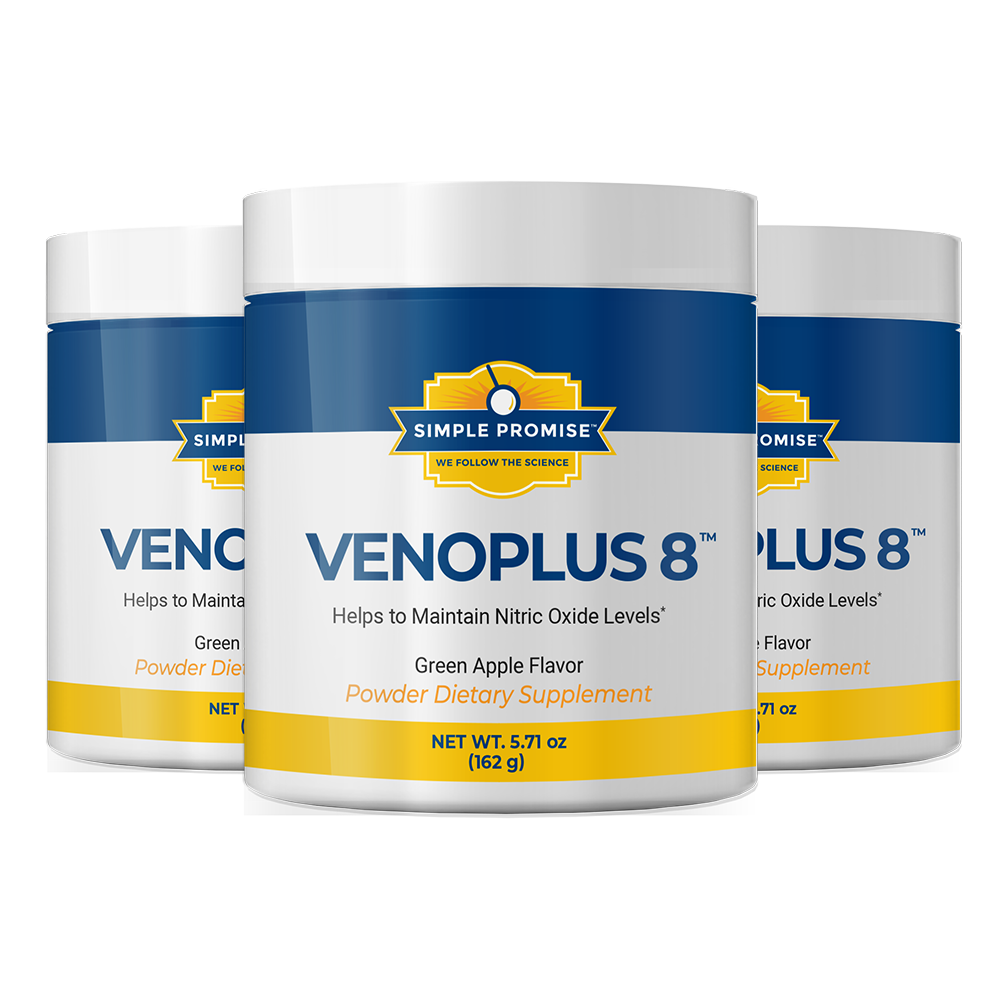 VenoPlus 8Beet, pomegranate, grape seed and vitamin K2 with every dose shown. Who it may fit and who should ask a doctor first.$39–$59 per jar · 365 days guaranteeRead our VenoPlus 8 review →
Tingling or burning feet too? Read why your feet burn at night and our Nerve Armor review. Heavy legs by evening? See heavy, swollen legs after 50.
$41.50–$49.95 per box · 90 days money-back guaranteeRead our honest CircO2 review →Independent review · We may earn a commission at no extra cost to youQuestions readers ask
Why do I get leg cramps at night after 50?
Mostly because calf muscles and tendons get shorter and stiffer with age, and at night your feet point down for hours, keeping the calf short. Sitting a lot, overuse, some medicines and health conditions like diabetes can add to it.
How do I stop a leg cramp fast?
Straighten the leg and pull your toes up toward your knee, or stand and put your weight on the leg. Then rub the muscle and use warmth if it stays sore.
What is the best way to prevent night leg cramps?
Stretching your calves and hamstrings right before bed every night has the best evidence. In a trial of adults over 55 it reduced how often and how strongly people cramped.
Does magnesium help leg cramps?
For typical night cramps in older adults, a Cochrane review found magnesium is unlikely to make a meaningful difference. It can help if a blood test shows your magnesium is low.
Can medicines cause leg cramps?
Yes. Water pills (diuretics) and some other drugs are linked to cramps. Ask your doctor or pharmacist to review your list, and don’t stop anything on your own.
Is quinine safe for leg cramps?
The FDA warns against using quinine for leg cramps because of rare but serious side effects. Talk to your doctor about safer options.
When should I worry about leg cramps?
See a doctor for a swollen, red or warm leg, cramps with weakness, calf pain every time you walk, or cramps that started with a new medicine.
- Mayo Clinic: Night leg cramps
- MedlinePlus (NIH): Muscle cramps
- Hallegraeff JM et al. Stretching before sleep reduces nocturnal leg cramps in older adults, J Physiother 2012 (PMID 22341378)
- Garrison SR et al. Magnesium for skeletal muscle cramps, Cochrane Database Syst Rev 2020 (PMID 32956536)
- PubMed: Quinine for muscle cramps
This article is general information, not medical advice. Some links lead to our independent reviews, which contain affiliate links; we may earn a commission at no extra cost to you. Talk to your doctor before starting any new supplement.